

























































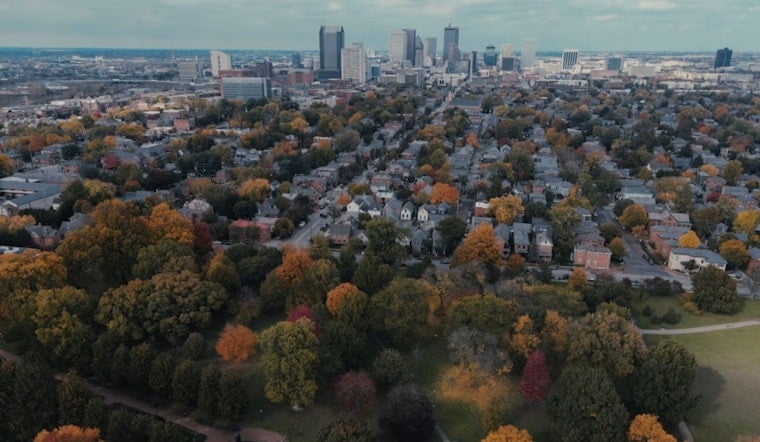
Columbus hit a weird kind of housing double play this spring: apartment demand just climbed to its highest level in five years even as the metro's vacancy rate kept inching up. The twist is not a shortage of renters, but a heavy wave of brand-new units finishing construction faster than people can move into them. The result is a market where fresh deliveries lean on concessions to fill up while older, stabilized properties mostly hold their ground on occupancy.
According to CoStar Analytics, second-quarter leasing activity in Columbus hit a five-year peak, even as new completions across the metro outpaced what the market actually absorbed. CoStar flags several big openings this year, including a roughly 300-unit project in the Upper Arlington area, that collectively swelled the local apartment inventory and nudged the official vacancy rate higher.
Local market figures tell the same story. Matthews reports that Columbus delivered about 1,600 units in the first quarter of 2026 while absorbing around 1,200. That math left vacancy hovering near 10.2 percent, with roughly 11,000 units still under construction. It is a textbook example of how deliveries can outrun lease-ups and push vacancy higher even when leasing looks strong on a year-over-year basis.
New units hitting the market
Developers have been rolling out large apartment projects across the metro this spring: 300 new apartments in Gahanna at Crescent Woods, about 235 new units in Franklinton at WestRich Phase Two, and 260 new apartments by Italian Village at The Guild. Smaller infill and affordable efforts - from the CMHA-backed AspireCOLUMBUS affordable project to neighborhood mid-rises - have added dozens more units to the active lease-up pool.
Why vacancy is still rising
The basic math is not glamorous, but it is stubborn. New, amenity-heavy projects usually need months to fill, and when quarterly deliveries keep overshooting absorption, the reported vacancy rate drifts higher. Local indicators and national research show that new starts are slowing, but there is still a sizable construction pipeline. That combination leaves markets like Columbus working through a temporary oversupply while buildings finish lease-up, backed by local data from Matthews and broader context from Cushman & Wakefield.
What it means for renters and developers
For renters with some flexibility, this wave of deliveries means more options and periodic incentives on new units, especially in pockets of the city that have seen the heaviest recent construction. For developers and lenders, the near term looks tighter: projects that finish into an already full pipeline face longer lease-up timelines and pressure on short-term returns, even as Columbus job and population trends offer longer-run support. That pattern has been visible across recent local handovers and city housing moves covered by Hoodline.
Analysts say the next few quarters will show whether absorption can keep pace with the delivery surge. If the current lease-up momentum holds, vacancy should level off, and rent growth could pick up again. If it does not, concessions and softer pricing are likely to stick around a while longer. For now, Columbus renters and landlords are navigating a market where strong leasing and heavy construction are happening at the same time, and the real verdict will come as the rest of the 2026 pipeline gets filled.





