

























































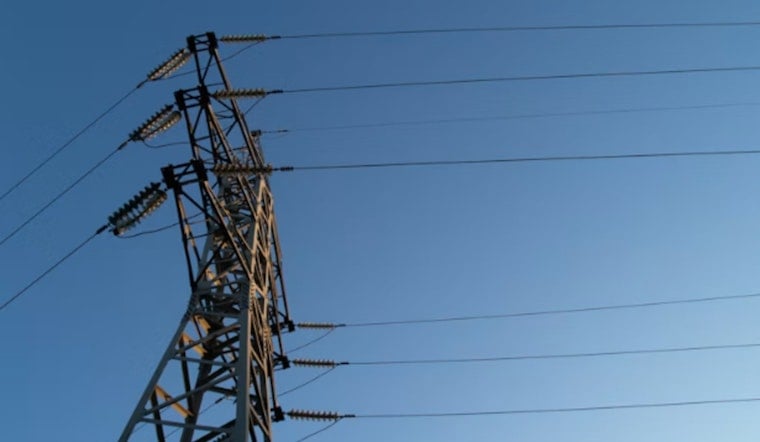
A Coolidge mother says she spent a sweltering, sleepless night fighting to keep her bedbound son stable after a sudden storm cut the power across much of the city and silenced the medical equipment he depends on. Backup systems she expected to kick in never did, cellphone service dropped out, and she was left to manually suction, cool and monitor her son until the lights finally came back on about 16 hours later. Around her, neighbors scrambled for ice, hotels and any public place with air conditioning as the heat inside homes climbed.
Power cut during storm; family says backups failed
Just after 2:30 p.m. on Saturday, much of Coolidge lost electricity and service did not return until the following morning, according to Arizona's Family. The outlet reports the Western Area Power Administration estimated more than 4,000 customers were affected and that crews revised restoration timelines several times as they worked through the night. Karen Glaser told the station that her son's specialized bed, pulse oximeter and oxygen monitoring all went dark at once and that the home's backup systems never switched on. "I was a sitting duck here," she said.
Federal utility setup complicates outages
Central Arizona's mix of federal and local power providers can make it harder to head off outages and bring the lights back quickly, especially in neighborhoods served by the San Carlos Irrigation Project, ABC15 reports. That investigation notes SCIP buys its electricity from the Western Area Power Administration and does not have the same financing tools that investor-owned utilities can tap, a structure critics say fuels repeated, extended outages across parts of Pinal County. For residents who rely on powered medical gear, a single weather-damaged line can suddenly turn into a life‑threatening event.
Cooling centers, ice and community relief
The city and Coolidge Unified School District moved quickly to hand out ice and open a cooling center as residents hunted for relief from the heat. Arizona's Family listed the Coolidge Adult Center at 250 3rd Street as one of the places people could go to cool down. That earlier report said roughly 5,500 homes and businesses lost service at the outage's peak, and many people turned to hotels, backyard pools or even sleeping in their vehicles to escape stifling indoor temperatures. For families like the Glasers (where a child is bedbound and not safely movable), those community options were not a practical choice.
Practical steps for households that rely on medical gear
Federal health guidance urges households that use electrically powered medical devices to prepare a written emergency plan, assemble a personal emergency file with device manuals and supplier contacts, and identify alternate locations or backup power sources before storms roll in. The Food and Drug Administration's booklet for home‑use devices walks through checklists and templates for creating those personal emergency files, and the CDC recommends battery backups, surge protection, safe generator use and a plan for refrigerated medicines. See the FDA guidance and the CDC power‑sources guidance for device‑specific checklists and safety steps to share with clinicians and your utility provider.
Glaser said the outage felt "too close" to a tragedy and that she cannot risk another failure of the systems her son depends on. The ordeal has neighbors and local advocates pushing for clearer outage priorities and tighter coordination between federal and local providers before the next monsoon storm hits.



