

























































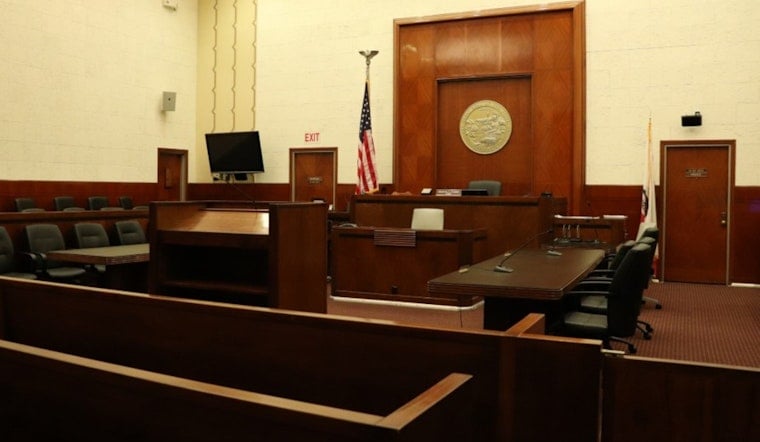
Lines stretched around the downtown Los Angeles immigration courthouse on June 24 as packed "mega master" dockets funneled dozens of people into the same courtroom for quick, procedural hearings. Attorneys and court observers say those sessions, where many cases are called in batches, leave people at heightened risk of missing a date and being ordered removed in their absence, especially those without lawyers or with language barriers. The fallout has been confusion in waiting rooms, panicked phone calls and a scramble by legal aid groups to reach families before it is too late.
What reporters saw in L.A.
According to the Los Angeles Times, a reporter who watched hearings in downtown Los Angeles saw clerks racing through roughly 100 names in a single morning and noted that 14 people who did not appear at a June 24 session were ordered removable by day’s end. The Times described waiting rooms overflowing into hallways and judges calling multiple cases together, often without directly addressing every person on the docket. Local lawyers told the paper the recent shift has left many people bewildered about what actually happened to their case that day.
Backlog and the numbers behind the push
Data help explain the pressure. TRAC’s trackers show the national immigration court backlog exceeded 3.2 million active cases as of May, and just under 35,000 removal orders were entered in California between January and May. Los Angeles County alone has roughly 95,000 open cases, a concentration that officials say helps explain why courts are stacking dockets more densely. Advocates point out that a large share of recent removal orders have been issued to people who were unrepresented, a dynamic that makes any short-notice scheduling far riskier.
Officials say they are clearing cases
Officials with the Executive Office for Immigration Review and the Justice Department say the changes are meant to accelerate adjudication as new judges come on line. A spokesperson told reporters the agency is making scheduling adjustments to ensure cases are completed in a timely way. ABC News reported EOIR’s explanation that packing dockets is part of an effort to work through the backlog. At the same time, a Department of Homeland Security spokesperson told the Los Angeles Times that immigrants ordered removed have received "full due process," and described voluntary options, including a free flight home and a $2,600 exit stipend, for people who choose to leave.
How mega masters play out in other cities
Reporting from around the country shows this tactic is not confined to one courthouse. Crowded master-calendar sessions have been observed in multiple jurisdictions, and local outlets have documented sharp consequences. In San Diego, local reporters described a mid-June session in which about 50 people were ordered deported after a single packed hearing, an outcome volunteers and attorneys called devastating. Observers and data trackers say the combination of rushed calendars, short notice and low representation rates makes in-absentia removal orders far more likely.
Legal risks of missing a master calendar
Under immigration court rules, a judge may enter an in-absentia removal order if the court determines the respondent received proper notice and failed to appear. The Executive Office for Immigration Review’s practice manual explains the in-absentia process and the limited, time-sensitive routes to reopen such orders, including a motion to reopen based on lack of proper notice or, in some circumstances, motions based on exceptional circumstances. Remedies exist, but they are procedurally narrow and often require documentary proof and quick action by counsel or advocates. EOIR sets out the standards and deadlines for those filings.
Lawyers and advocates push back
Immigration attorneys and legal groups have been urging clients to check court calendars and update addresses constantly, warning that many of the people swept into mega masters are unrepresented. As reported by ABC News, professional groups like the American Immigration Lawyers Association have advised lawyers to monitor electronic dockets and warned that abrupt rescheduling disproportionately harms people who do not have counsel. Local legal-aid organizations are ramping up outreach and emergency clinics to help people verify dates and file motions when needed.
What to do if you have a hearing
If you or a loved one has an upcoming immigration court date, verify the hearing weekly through EOIR’s Automated Case Information line or the ECAS/Respondent Access portal, and file Form EOIR-33/IC to keep your address current with the court. If a date has been moved up, contact an attorney or a pro-bono provider immediately and, if you appear, ask the judge on the record for a continuance if you need time to prepare. Bring photo identification and any prior notices, arrive early for security screening, and keep records of any mail or delivery problems if you later need to show you did not receive notice. EOIR’s forms and guidance are available on the agency’s website for people and representatives looking for the correct filings and contact information.
How this plays out in the weeks ahead will shape dozens of individual lives and the broader question of whether courts can clear years-long backlogs without sacrificing due process. For now, the practical steps are simple: double-check your date, keep the court updated on your address, and try to get legal help. Those small moves can be the difference between staying and facing a fast, final removal order.





