

























































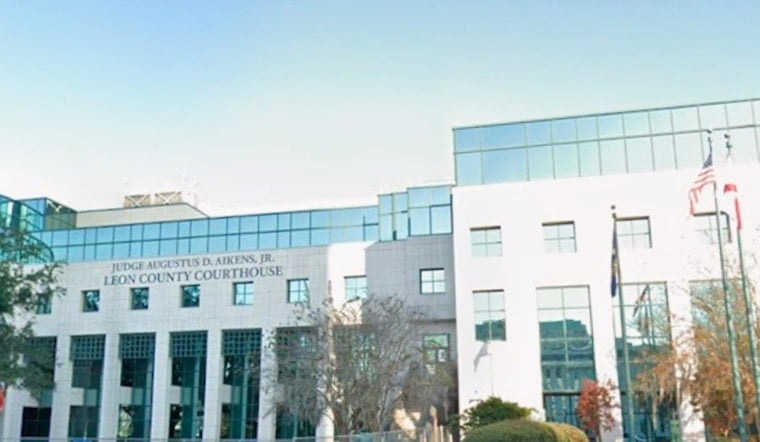
The political fight over Florida's headline property tax amendment has jumped from Capitol hallways into a full-blown courtroom showdown, with three lawsuits now attacking the wording that will appear before voters in November. Critics say the ballot title and summary read like a campaign ad instead of a neutral explanation, and a consolidated hearing set for July 29 leaves judges, lawyers and election officials racing the calendar before ballots are locked in.
The first challenge landed June 11 in Leon County Circuit Court, filed by the nonprofit Save Our Voters From Misleading Ballot Language alongside former Stuart Mayor Thomas Campenni and former Key Biscayne Mayor Michael Davey. The complaint argues that the ballot summary openly “endorses” the measure instead of describing it in plain terms, according to WUSF. Plaintiffs point to phrases that promise the amendment will “ensure funding for core services” and “protect small businesses,” saying those claims go well beyond what the proposed constitutional changes actually guarantee.
Two more lawsuits quickly followed, one from former South Miami Mayor Philip Stoddard and another from former state lawmakers Jeff Brandes and Al Lawson, bringing the tally to three active cases. Attorneys expect the challenges to be consolidated, with a fast-track hearing already set for July 29. “This language is as biased as bias can be,” attorney Jamie Cole, who filed the first suit, told WFLX.
What Amendment 3 Would Actually Do
CS/HJR 1-F, the joint resolution lawmakers sent to the ballot as Amendment 3, would raise the non-school homestead exemption to $150,000 on Jan. 1, 2027 and to $250,000 on Jan. 1, 2028. It would also tighten assessment growth caps for non-homestead property and narrow how local ad valorem revenue can be used. The enrolled bill text spells out the timeline, residency rules and the exact constitutional edits in detail, according to the Legislature's official bill page.
Voters statewide are set to decide the measure on Nov. 3, and like other constitutional changes in Florida, it needs at least 60 percent approval to pass.
How Big Are the Budget Stakes?
State economists at the Revenue Estimating Conference project that the amendment would eventually cut local non-school property tax revenue by about $11.86 billion on a recurring basis, a hit opponents say is not fully reflected in the ballot summary, according to the conference workpapers referenced in court filings. Other analysts, including the Tax Foundation, forecast smaller initial effects, roughly $4.6 billion in the first year and $8.4 billion in the second year.
Those sharply different estimates are now front and center in the courtroom fight, with plaintiffs arguing that the ballot language promises protections that the underlying fiscal analyses do not actually ensure.
Legal Path And Timetable
Under Florida law, if a judge finds the ballot summary defective, the Attorney General must rewrite that summary while leaving the amendment text itself intact. That narrow fix is exactly what the plaintiffs are seeking, along with declaratory relief that the current wording crosses the legal line, according to court filings and related reporting.
The calendar is the other key player in this drama. Courts and election officials say there is very little room to adjust language before county supervisors finalize and print ballots, which is why the cases are on an expedited track and why the July 29 hearing date looms so large. Legal analysis notes that even when challengers win, judges often order a rewrite instead of knocking an amendment off the ballot entirely, leaving campaigns and opponents to battle over messaging in the remaining weeks, according to LegalAIInsights.
Local Governments And Voters
City and county officials have warned that if the revenue losses materialize at the high end of the projections, they could be forced into budget cuts, hiring freezes or new fees to keep basic services running. Supporters counter that the amendment would restore a sense of fairness for newer homebuyers and long-time homeowners alike, easing property tax bills that many residents say have climbed out of reach.
Those policy trade-offs are exactly what the plaintiffs argue should be laid out in straightforward language on the ballot, not wrapped in what they see as sales copy, according to Florida Phoenix.
One of the plaintiffs is scheduled to appear on CBS Miami's “Facing South Florida” to walk viewers through the lawsuit and the ballot wording. The segment, previewed by CBS Miami, lays out the arguments they plan to press in court and offers a local view of what Amendment 3 could mean for services, tax bills and the bottom line in communities across Florida.





