

























































A Cumberland man who posed as women online to swipe their intimate photos has been convicted in District Court, closing the book on a months-long investigation into a voyeuristic scheme that targeted commercial photo platforms, according to court filings and law enforcement. Mathew Mark Schartiger, 39, of Cumberland, received two consecutive three-year sentences, with the judge suspending all but 10 days of that time. Prosecutors brought two separate cases that together stacked up to 16 criminal counts tied to identity theft and illegal access.
Maryland State Police said the case began in March after Allegany County authorities flagged a cluster of possible identity theft complaints. Investigators say troopers eventually traced the activity to Schartiger, concluding he had been impersonating women by setting up fake email accounts in their names. Those accounts were then used to break into private photo galleries stored on several online business platforms, according to the agency.
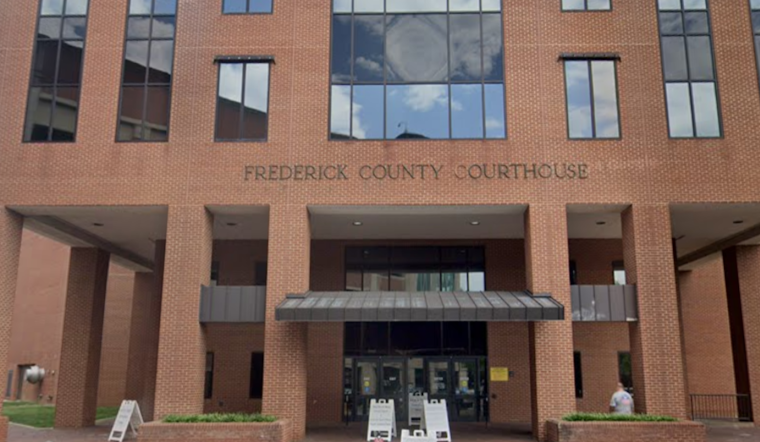
As reported by WMAR2, Schartiger was charged in two separate criminal cases after consultation with the Office of the State’s Attorney in Frederick County. District Court Judge Mimi Cooper handed down the two three-year terms and ordered that the sentences run back to back, then suspended all but 10 days, a relatively short stretch of actual jail time for a scheme that involved multiple victims.
Maryland State Police said search warrants executed at a business in the 17000 block of McMullen Highway and at Schartiger’s home in Allegany County turned up evidence that both locations were used to get into victims’ accounts and make unauthorized copies of their photographs. Officials urged anyone who suspects they were caught up in the scheme to contact the nearest state police barracks.
How investigators say he worked
According to Shore News Network, investigators say Schartiger created bogus email accounts that mimicked the women whose photos he wanted to see. With those impersonation accounts in hand, he could reset passwords or log directly into profiles tied to boudoir sessions and other private photo shoots, letting him browse and download images that were supposed to stay behind a paywall or password screen. Officials have not said how many people were affected or which specific platforms were targeted, so the full scope of the operation remains unclear.
Legal context
Maryland law gives prosecutors several tools for this kind of case. A misuse of electronic mail provision, MD Crim Law § 3-805, covers malicious electronic impersonation and is treated as a misdemeanor offense, according to Justia. The National Conference of State Legislatures also notes that Maryland’s computer trespass statute, § 7-302, addresses unauthorized access to computer systems. Authorities have not publicly listed the exact charges used in Schartiger’s prosecution, but cases with similar fact patterns often combine those kinds of counts with identity theft allegations.
Local precedent and seriousness
Frederick County prosecutors have not been shy about seeking steep sentences when personal identifying information is weaponized. The Office of the State’s Attorney in Frederick County has pointed to a recent, unrelated case that ended with a 19-year sentence for using someone’s identifying data to encourage sexual crime. That example, set against Schartiger’s largely suspended time, highlights how outcomes can swing widely depending on the details of the conduct and the specific charges a prosecutor brings.
What victims can do
People who believe they were targeted are encouraged to hang on to account records, screenshots and any related communications, then reach out to local law enforcement. The state police release and coverage of it include directions for contacting the nearest barracks, as noted by Shore News Network. Anyone with questions about possible civil remedies can also contact the Frederick County State’s Attorney’s Office or local victim services programs for guidance on next steps.





