

























































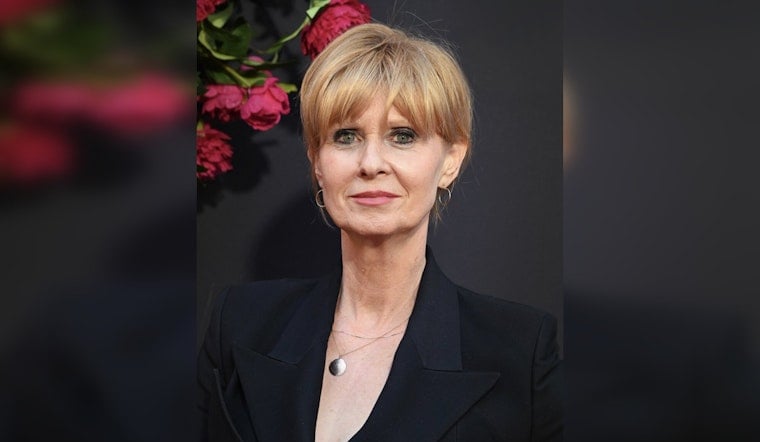
Cynthia Nixon is stepping into a new kind of spotlight: the former gubernatorial candidate and longtime education advocate has been named to the New York State Commission on Judicial Nomination, the screening panel that helps decide who gets a shot at the state’s highest court. The move adds a nationally recognized actor to a body traditionally dominated by lawyers and public officials, and it is already buzzing through New York’s legal and political circles.
The commission’s official directory lists Nixon as an appointee of Chief Judge Rowan Wilson with a term running through April 30, 2030, according to the Commission on Judicial Nomination. The entry highlights her decades of work in theater, film and television, notes her civic advocacy, and cites her Barnard College degree.
What the commission does
By state law, the Commission on Judicial Nomination is tasked with soliciting applications, vetting candidates and sending a short list to the governor whenever a vacancy opens on the Court of Appeals. That process is set out in Article 3‑A of the Judiciary Law, as described by Justia. The commission’s gatekeeping role gives it substantial influence over who ends up on New York’s top bench and, in turn, over the court’s long‑term direction.
A pick that surprised some
The choice did not land quietly. Sources in the legal community told the New York Post they were “stunned” to see an actor without a law degree named to the screening panel. The commission directory notes that Nixon began acting at age 12 and has spent nearly 50 years working as an actor and director, but it does not list legal credentials. That has fueled an ongoing argument over how much weight to give public perspective versus technical legal experience on a body that helps shape the state’s judiciary.
Her mix of celebrity and advocacy has some attorneys wondering whether the commission should hew more closely to traditional legal résumés or make room for broader civic voices. For now, Nixon’s appointment has become a kind of Rorschach test for how people think judicial selection ought to work.
Political ties and context
Nixon has been a vocal progressive presence in New York politics, appearing at fundraisers and endorsement events for local candidates. Critics have zeroed in on her City Hall orbit after reports that her wife, Christine Marinoni, took a senior role at the Department of Education, a move flagged in coverage headlined Nixon’s wife lands $200K DOE job. They also point to the broader political backdrop of Mayor Zohran Mamdani’s early agenda, detailed by the Mayor’s Office.
Those overlapping worlds of politics, advocacy and now judicial selection have sharpened scrutiny of the appointment, even though the commission itself is an independent, constitutionally created screening body.
What comes next
Under the process outlined in Article 3‑A of the Judiciary Law, the commission will conduct interviews, review applications and then send a list of recommended nominees to the governor, who makes the formal choice for Senate confirmation, according to Justia. With vacancies on the Court of Appeals expected in the coming years, Nixon will have a vote in decisions that could shape New York law for a long time.
Bar associations, court watchers and political operatives are likely to keep a close eye on the commission’s next round of picks. For now, the public record of the move lives in the commission’s directory, while the wider debate over experience, politics and who gets to sit on the state’s top court continues to play out well beyond the courthouse.





.jpg)