

























































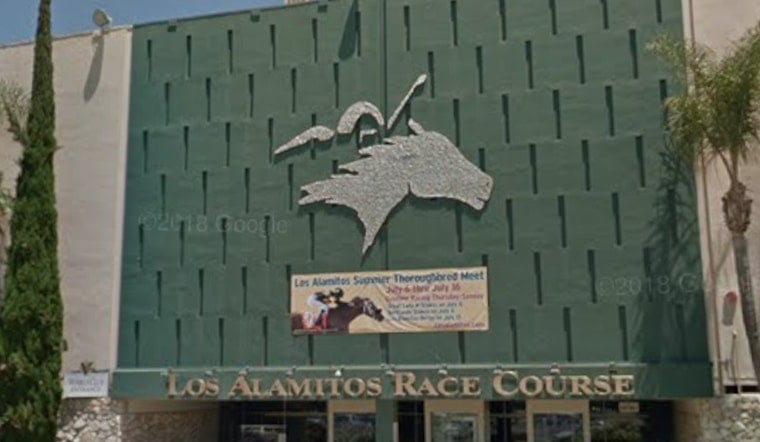
Los Alamitos Race Course, the 150-acre stretch of dirt and grandstands near the heart of Cypress, is suddenly looking less like a permanent fixture and more like a big question mark.
At a July 14 hearing, the Cypress City Council cracked open the door to a sweeping redevelopment of the property, signaling the start of a long entitlement process that could carve the track into more than a dozen parcels for parks, housing and commercial projects. The move leaves the future of live racing unsettled, but it does not greenlight any specific construction yet. City staff laid out a phased timetable that could take years to fully play out.
At the meeting, majority property owner Edward Allred and track executives asked the council to start a formal environmental review, approve a vesting tentative tract map and pursue a development agreement that would allow them to begin selling 14 parcels. They stopped short of asking for approval of particular residential or commercial projects, according to the Los Angeles Times.
Councilmembers voted 3-1 to continue the public hearing, and Mayor Leo Medrano recused himself because he lives across the street from the track. Mayor Pro Tem Kyle Chang called the proposal "an incredible economic opportunity for Cypress," the paper reported.
What The Plan Would Allow
The city’s draft environmental report and the Specific Plan spell out the technical ceiling for what could eventually rise on the site. The Specific Plan allows up to about 879,170 square feet of non-residential floor area, although the draft environmental impact report models a smaller 440,000-square-foot buildout as a reasonable scenario, according to the Specific Plan 3.0 Buildout Project filing.
The draft evaluation also assumes roughly 1,791 residential units within the buildout area and lays out the vesting tentative tract map that would divide the site into numbered lots for future development.
The city’s public hearing notice for July 14 describes the tract map (VTTM 19247) and notes that the subdivision would affect roughly 150 acres, including land already set aside for Lexington Park. It explains that the proposal would require approvals for the tract map and a development agreement, and it identifies the planning director as the lead contact while outlining the environmental review and public comment process that will guide the next steps, according to the City of Cypress.
Track Safety And Racing's Future
Hovering over the redevelopment talk are unresolved questions about racing itself, especially after a series of equine fatalities at the track drew scrutiny from state regulators, according to the California Horse Racing Board. The board, industry groups and track officials have been working through safety plans and oversight requirements, which adds another layer of complexity to any timeline for demolition or conversion.
Track superintendent Frank Sherren told the council there was "no plan for the race course to close" and said staff intends to run quarter-horse meets as long as possible, as reported by the Los Angeles Times. The paper also reported that the track canceled two Saturday night cards last month and that two horses died in June, developments that have intensified scrutiny of the venue’s operations.
Councilmembers left the record open to allow more community review and technical follow-up, and at least one councilmember suggested returning to the issue on Aug. 25 to weigh next steps, according to the city’s meeting video. Staff underscored that any sale or development of individual parcels would have to come back to the council for separate entitlements and additional environmental review before construction could proceed.
Legal Implications
Certifying the environmental impact report and approving a development agreement would not sign off on specific buildings. Instead, those actions would set the rules, required mitigation measures and public-benefit commitments that future buyers and designers must follow, according to the draft filings.
Each future housing, retail or mixed-use proposal would still need its own discretionary approvals, design review and, where necessary, supplemental environmental analysis under the California Environmental Quality Act. In other words, the city is setting the playbook now, and the individual projects will have to run each play in full view of the public later.





