

























































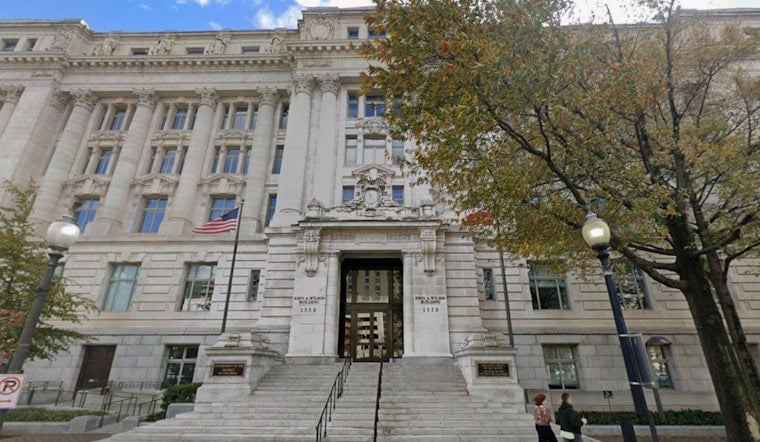
The D.C. Council spent Friday deep in tax talk, weighing a bundle of real-property bills that could ease the squeeze on older homeowners and disabled veterans while also rewriting how residents fight their assessments. Councilmembers, tax officials and advocates worked through proposals that range from letting seniors pool their ownership stakes to qualify for relief to a measure that would wipe out property taxes altogether for certain disabled veterans and their spouses. Another set of changes zeroes in on how fast, and how fairly, assessment appeals get decided.
How the Council Shared the Hearing
The Council pushed the hearing out to residents with a "Watch live now" alert on its Facebook page, linking straight to the hearing record so people could follow testimony and documents in real time, according to a post on Facebook. The hearing docket on LIMs includes witness lists, bill texts and submitted testimony for each of the bills under review.
What Was on the Docket
One of the marquee items was the Disabled Veterans Complete Property Tax Exemption Amendment Act (B26‑0476). As introduced, it would grant a 100 percent exemption from real-property taxation for qualifying disabled veterans and their spouses. The bill’s introduction and official summary list its sponsors and send the measure to a public hearing before the Committee of the Whole, according to LegiScan.
Appeals and the 5% Rule
Another closely watched proposal, the Fairness and Accuracy in Real Property Tax Assessments Amendment Act (B26‑0484), targets how challenges to property values are decided. The bill would scrap the current restriction that stops the Real Property Tax Appeals Commission from changing a property’s market value when the Office of Tax and Revenue’s assessment is within 5 percent and would tighten the deadlines for issuing decisions, according to TrackBill. The Real Property Tax Appeals Commission’s website lays out the existing two-step appeals process and filing deadlines that the bill aims to affect, according to the RPTAC website.
How Seniors and Veterans Could Be Affected
For older homeowners, the Senior Tax Aggregation Amendment Act (B26‑0360) takes on a common edge case: households where no single senior owns at least half the property. The bill would let two or more residents aged 65 or older combine their ownership stakes to meet the 50 percent ownership test for reduced property-tax liability, according to LegiScan. Councilmember Janeese Lewis George described the proposal in a Ward 4 newsletter as a way to help older Washingtonians stay in their homes even as assessments and market pressures climb, according to the Ward 4 newsletter.
What Happens Next
The Committee of the Whole has now taken public testimony and can move the bills on to further review, amendments and, potentially, a vote. The official hearing record on LIMs will track any next steps and lets residents read submitted testimony or watch archived video. Homeowners eyeing an appeal, or already in the middle of one, may want to keep an extra-close watch on the Real Property Tax Appeals Commission’s filing windows and rules while the Council debates changes, according to the RPTAC website.





