

























































For the first time in nearly two weeks, the skies over the Gulf finally went quiet overnight, with both U.S. and Iranian strikes pausing and offering a brief, fragile breather in a crisis that has snarled shipping through the Strait of Hormuz and pushed oil above $100 a barrel. The calm was only surface-level, though, as naval boardings, missile and drone scares, and diplomatic protests kept tensions churning from the Gulf of Oman to the Caspian Sea.
U.S. naval enforcement disabled a merchant tanker
U.S. Central Command said American forces disabled a merchant tanker after its crew ignored repeated warnings and continued steaming toward Iranian ports, with U.S. fire hitting the ship’s engine room to force it to stop. CENTCOM added that since the blockade was reinforced in mid-July, it has redirected a dozen commercial vessels and carried out verification boardings, according to U.S. Central Command.
White House deliberations accompany the pause
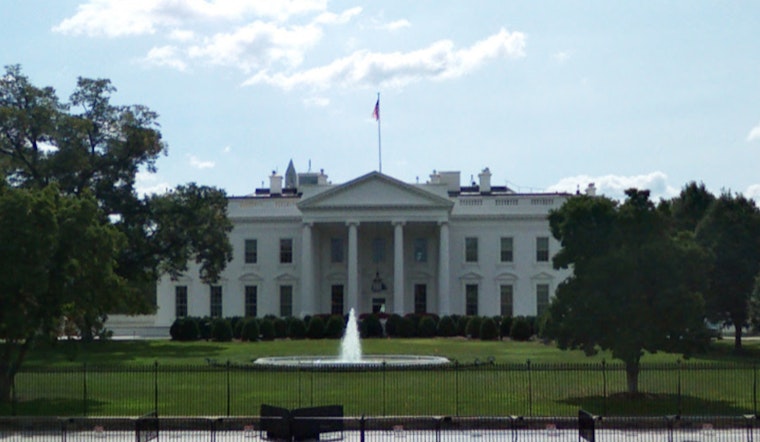
The strike pause landed right as the White House debated whether to widen the campaign and, at least for now, shelved plans for a larger bombing operation, in deliberations described to reporters by people familiar with the talks. The Associated Press reported there were no overnight U.S. strikes on July 24–25, while The New York Times said President Trump told aides "look, we're locked and loaded" even as officials probed diplomatic options.
Caspian Sea strikes heighten regional complications
In the Caspian Sea, Ukraine reported long-range strikes that it said hit a Russian warship and vessels used to ferry Iran-linked military cargo. Tehran, for its part, summoned Ukraine’s envoy and described an attack on an Iranian commercial ship that it said killed one crew member. Those events, along with Iran’s formal protest, were chronicled in reporting by RFE/RL and state Iranian outlets.
Red Sea attacks broaden the shipping risk
Meanwhile, Iran-aligned Houthi forces said they launched rockets and drones at Saudi energy facilities in Jazan and Yanbu and hit Saudi-linked tankers in the Red Sea. Saudi retaliatory strikes in Yemen followed, turning the Red Sea into a second major chokepoint on the map of maritime risk. The Associated Press has detailed the Houthi claims and the Saudi response, underscoring how the conflict’s fallout at sea is no longer confined to the Gulf.
Markets and shipping note immediate impact
Energy and shipping markets snapped to attention. Brent crude climbed back into three-digit territory, topping $100 a barrel and trading around $100.95 on July 24 as investors priced in wider disruption to global supply routes, according to The New York Times. Shipping companies and insurers have been rerouting voyages and hiking premiums while militaries keep stepped-up maritime enforcement in place, all of it waiting on a more durable diplomatic fix.
What to watch next
The next 48 to 72 hours will turn on three big questions: whether back-channel talks can stretch this brief quiet into a longer halt in strikes, whether proxy forces widen attacks in the Red Sea or the Caspian, and how quickly insurers and carriers lock in new routes and coverage. For now, the lull is exactly that, a pause that leaves the conflict’s ripple effects on global shipping and energy markets very much in motion.



