

























































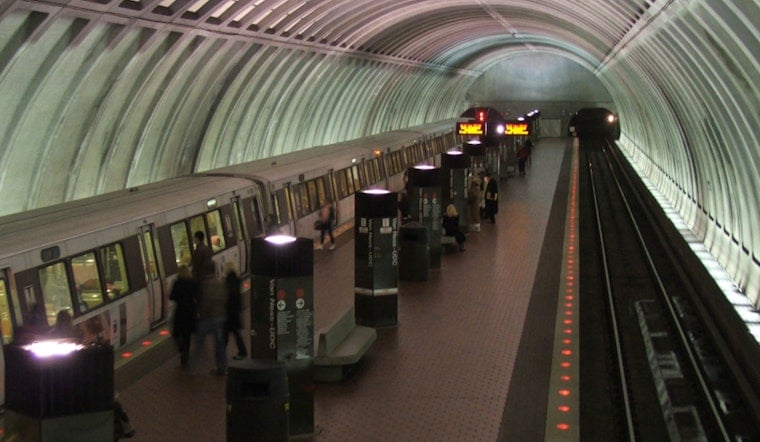
Metro’s Red Line commute turned into a soggy slog Wednesday morning after water seeped into signal equipment outside the Van Ness–UDC station, slowing trains and forcing some to offload passengers at Dupont Circle. Riders reported jam-packed platforms and longer-than-usual waits as crews scrambled to get service back on track. Metro warned that travel times would stretch during the morning rush.
Metro officials said the outage stemmed from water intrusion that affected signals outside Van Ness and that repair crews were on scene working to resolve the problem. According to FOX 5 DC, trains were running every 6 to 12 minutes between Friendship Heights and Glenmont while the work went on, with some trains offloading at Dupont Circle to cut down on congestion. Metro’s service status page showed a Red Line alert Wednesday morning, listing the disruption as an active service issue, according to WMATA.
The trouble followed a round of severe storms on Tuesday that brought torrential rain, tornado warnings and flash-flood concerns across the D.C. region. Forecasters kept a flood watch in place for parts of central and southeast Virginia into Wednesday evening. The storms also left lingering flooding risks in outlying counties, WTOP reported.
Service Details and Rider Impact
Metro said it cut frequency and used temporary offloads to keep trains inching through the downtown core, warning riders headed for downtown or the Van Ness area to budget extra time. Some Red Line trains turned back or offloaded riders at Dupont Circle to ease platform crowding, a standard play in Metro’s disruption toolkit. Slower headways and occasional turnbacks left many platforms shoulder-to-shoulder during the peak of the delays, and riders on affected trains described standing-room-only conditions between stations, according to FOX 5 DC.
Why Water Infiltration Still Trips Up Metro
Water in tunnels and signal vaults has long been a weak spot for the Red Line, contributing to degraded track circuits and electrical arcing that can trip signals or force single-tracking. Oversight reports have repeatedly flagged leaky tunnels and moisture damage as chronic reliability risks for Metro, even as the agency has increased capital spending to tackle them, according to The Washington Post. The WMATA FY2027 budget and capital program explicitly list tunnel water-leak mitigation and signal upgrades among planned investments.
How to Navigate Delays
Riders are advised to build extra time into Red Line trips and, for short downtown hops, consider buses or bikes as backup. Check station announcements and sign up for Metro alerts for the latest word on repairs; crews are expected to keep working through the day to dry out and fix the affected signal gear. If the slowdown drags on, plan to pad your commute by 15 to 30 minutes until full service is restored.





