

























































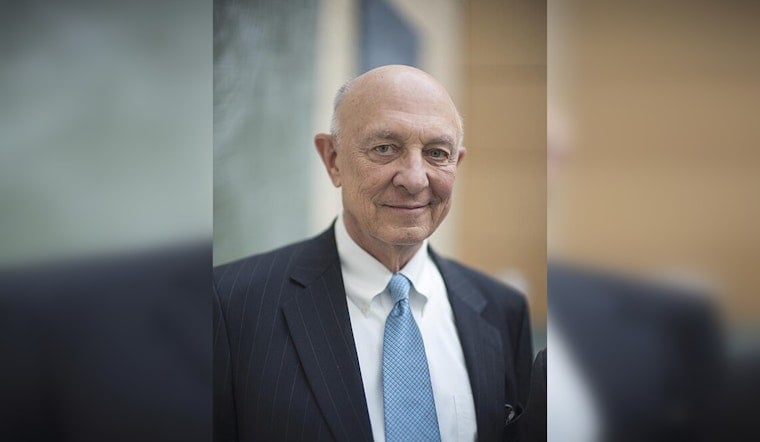
Former CIA Director R. James Woolsey died at 84 on July 21 at his Washington home after suffering a stroke, according to his wife. Conchita Sarnoff Woolsey told reporters that his health had declined in recent years and said she believes the deterioration was caused by what she described as "Havana syndrome." Her claim adds a starkly personal twist to a long-running medical and intelligence mystery that has dogged U.S. diplomats and officers for nearly a decade.
According to The Associated Press, Conchita Sarnoff Woolsey confirmed the cause of death and said his condition worsened over several years. Woolsey led the CIA from 1993 to 1995 and, long after leaving government, stayed in the spotlight as a prominent national security voice.
Havana syndrome and a disputed device
As reported by CBS News, Homeland Security agents quietly bought a miniaturized microwave-style device in late 2024 in a purchase that sources say was funded with Pentagon money. The Defense Department has been testing that device for more than a year. CBS reported that U.S. officials have recorded more than 1,500 possible anomalous health incidents since 2016, and the classified acquisition has reignited questions over whether pulsed radiofrequency or microwave energy could explain some victims' symptoms.
Where investigators stand
An unclassified update from the Office of the Director of National Intelligence (ODNI) in January 2025 concluded that most intelligence components still judge it "very unlikely" that a foreign adversary was behind the incidents, although a few components said new reporting merited more scrutiny. The Washington Post has reported that a Norwegian experiment and other classified tests produced neurological effects similar to those seen in patients, developments that officials say prompted fresh review. Scientists and investigators continue to argue that more transparent lab results and published testing are crucial to resolving whether any device can produce the kinds of injuries reported by victims.
Woolsey's widow's public remarks are likely to draw new attention from lawmakers and the public to those seeking answers, as well as to the unsettled science at the center of the fight over "Havana syndrome." The family has not released further details beyond the statements reported by the press, according to The Associated Press.





