

























































A federal panel chaired by Texas Lt. Gov. Dan Patrick quietly dropped a sprawling 224-page draft report this month, and it is anything but subtle. The document urges a broader role for religion in government, schools and the military, with proposals that range from new "Know Your Rights" materials and complaint hotlines to expanded conscience exemptions for vaccines and compensation for service members who lost benefits after refusing COVID-19 shots. The draft has already drawn legal challenges and sharp criticism from civil-liberties and interfaith groups.
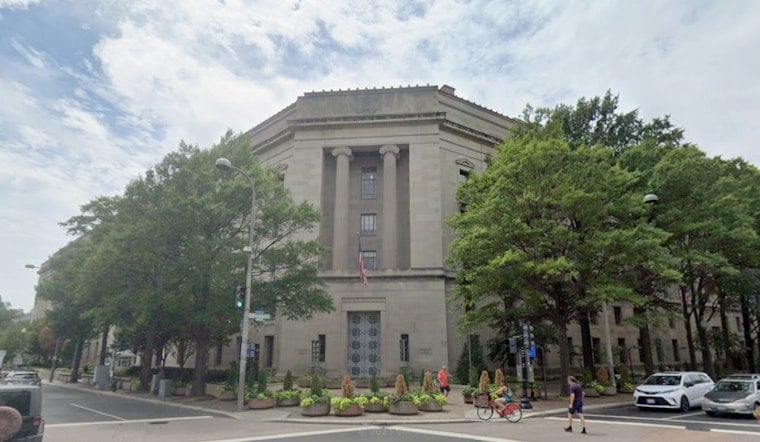
According to the U.S. Department of Justice, the Religious Liberty Commission presented its draft report to the president on June 26 and packaged the work as "12 Key Recommendations to Strengthen Religious Liberty for All Americans." The Department of Justice posted a press release and made the full draft available for public review, saying the document draws on seven hearings and testimony from more than 100 witnesses around the country.
What the draft recommends
The report sketches out both agency actions and potential legislation. It calls on the Justice Department to issue new Establishment Clause guidance, urges repeal of the Johnson Amendment, and backs a slate of visibility efforts such as "Know Your Rights" posters and federal hotlines. It also recommends restoring pay or benefits to military members who were punished over COVID-19 vaccine refusals.
The commission goes further on the rhetoric of church-state separation, questioning the modern use of the phrase "a wall of separation between church and state" and warning that the concept can be misapplied. The draft repeatedly frames religion as "an indispensable support" for civic life. Coverage in The Washington Post and the commission's own 224-page text, posted as the draft report, lay out the policy details in full.
Local ties and the Dallas hearing
Dallas is not just watching this fight from the sidelines. The commission held hearings across the country, including a session in Dallas, and with Lt. Gov. Dan Patrick in the chair, its work carries particular weight in Texas political circles. As reported by The Dallas Morning News, critics argue that the commission’s membership is stacked heavily with conservative Christian leaders and thinkers, raising questions about how broadly it reflects the country’s religious landscape.
Who’s suing and why
That concern is now at the center of a federal lawsuit. A multifaith coalition led by the Interfaith Alliance filed suit in federal court arguing that the commission was created and run in violation of the Federal Advisory Committee Act because its membership is not "fairly balanced." Democracy Forward says plaintiffs include Interfaith Alliance, Muslims for Progressive Values, the Sikh American Legal Defense and Education Fund, and Hindus For Human Rights. Court records documenting the case are available through the Civil Rights Litigation Clearinghouse.
What happens next
The draft was released with a short public-comment window, and that period has already closed. The commission says it will now convene a virtual meeting to review the feedback and finalize its recommendations.
As The Washington Post noted, the compressed timeline and ongoing litigation mean that any agency action based on the report is likely to face immediate court challenges. A finding that the panel violated the Federal Advisory Committee Act would not automatically kill the ideas in the report, but it would undercut the document’s procedural legitimacy.
For now, the draft is exactly that: a roadmap of proposals rather than a new rulebook. What it ultimately means for classrooms, hospitals, and service members will depend on whether federal agencies choose to adopt its guidance, whether Congress moves on its legislative wish list, and how the courts rule on the legality of the commission itself.





