

























































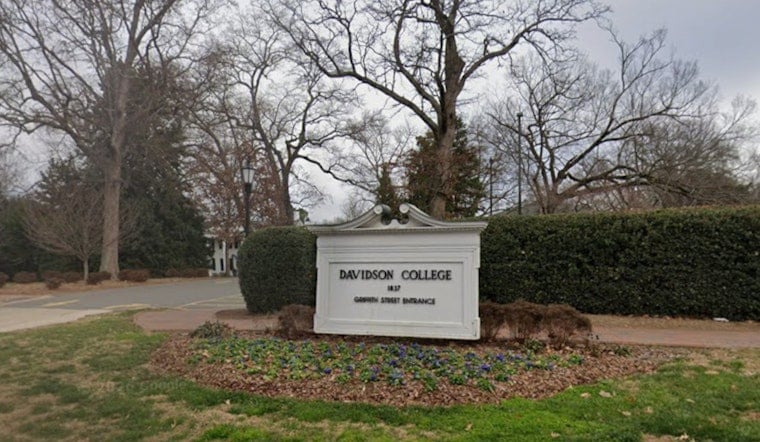
Starting with students enrolling in fall 2027, Davidson College is rolling out a sweeping new financial aid deal: families with household incomes up to $175,000 and typical assets will pay no tuition, while those earning $85,000 or less will see all direct costs covered, including tuition, room, board and fees. The shift, which applies to U.S. citizens and full U.S. residents, is designed to simplify the money conversation for middle-income families and blunt the sticker shock that can come with a private college price tag.
Davidson’s admissions and financial aid materials spell out the new thresholds and rules. Applicants for fall 2027 and beyond will be considered if their adjusted gross income and assets fall within the stated ranges, and the college says the commitments will remain in place “as long as income and assets continue to qualify,” according to Davidson College. The school also notes that its income bands assume “typical assets” for that level and urges families to use its net price tools to get a personalized estimate.
“Our financial aid is extraordinary and rare,” Davidson President Doug Hicks said in a statement, calling affordability a foundational commitment to making the Davidson experience achievable and accessible, Charlotte Observer reports. The outlet also notes the policy applies only to new students starting in 2027 and that families will still have to submit the usual financial documentation when they apply for aid.
What the policy covers
Under Davidson’s new structure, total family income of $85,000 or less will trigger a full direct cost scholarship that covers tuition, housing, meals and required fees. Families with incomes above $85,000 and up to $175,000 will receive an award that makes tuition free. Davidson College says these guarantees are intended to stay in place across a student’s time at the college as long as household income and assets keep falling within the qualifying ranges. For families earning more than $175,000, the school will continue to offer need-based aid packages and says it will keep meeting calculated financial need without loans.
How much it costs now
Davidson’s sticker price is still hefty on paper. The college’s published figures for 2026–27 put first-year tuition at roughly $73,090 and estimate the total cost of attendance, including room, board and fees, at more than $95,000. Those numbers form the baseline Davidson uses to determine a family’s demonstrated need and to build aid offers. Davidson College lays out the specific line items it includes when it calculates cost of attendance and assembles financial aid packages.
How the college expects to pay for it
Charlotte Observer reports that Davidson plans to cover the expanded aid through institutional grants tied to the Davidson Trust, along with continued use of on-campus employment as part of financial aid packages, and notes that the college’s endowment stands at roughly $1.6 billion. The outlet adds that about 70 percent of current students already receive some form of financial assistance and that the average aid package at Davidson is about $66,000.
Where this fits nationally
Davidson’s move slots into a broader trend among selective colleges that are raising middle-class aid thresholds as demographic shifts and federal loan changes reshape how schools think about enrollment. Analysts have pointed to similar policies at peer institutions as colleges scramble to reduce sticker shock and stay competitive for high-achieving applicants. Inside Higher Ed has tracked how these types of affordability pledges are becoming a central recruitment tool in the fight to rebuild public trust in higher education.
What families should do next
Families who think they might qualify are still being told to follow the standard financial aid playbook. That means filing the FAFSA (and the CSS Profile if Davidson requests it), using the college’s net price calculator to get an early read on eligibility and reaching out to Davidson’s financial aid office with specific questions about their situation. Because the new rules start with students entering in fall 2027, prospective applicants and their counselors may want to factor the updated income thresholds into their college lists and financial planning timelines.





