

























































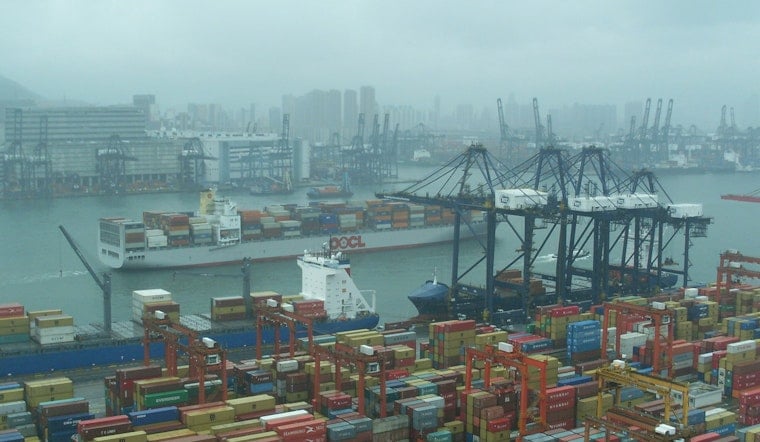
The United States has let a Trump-era executive order that stripped Hong Kong of some special trading perks run out, opening the door to at least a partial reset of preferential treatment. Beijing quickly welcomed the move on Friday and linked it to recent senior-level trade talks, while the U.S. Treasury tweaked how key Hong Kong officials appear on sanctions lists instead of lifting pressure outright. Companies and rights groups say the real impact will come down to follow-up regulations and whether other legal tools stay firmly in place.
Beijing Casts The Shift As Trade-Talk Payoff
China’s Commerce Ministry said Washington had confirmed it would not extend the national emergency tied to Executive Order 13936 and called the decision “an important step” toward carrying out consensus reached in bilateral economic consultations, according to Reuters. State media and ministry statements argued the expiration reflected outcomes from recent trade meetings and urged the United States to resume normal economic and trade exchanges with Hong Kong, per China Daily.
Treasury Reworks Sanctions Playbook
Washington’s Office of Foreign Assets Control said the national emergency declared under E.O. 13936 has expired and that OFAC removed individuals whose blocking was tied solely to that order, while adding others to a Non-SDN Menu-Based Sanctions (NS-MBS) list, according to OFAC. The agency noted that assets blocked before July 14 remain blocked and that it will roll out regulatory amendments and updated guidance to reflect the change. Officials presented the move as an administrative reshuffle, not a broad rollback of authorities granted by Congress.
OFAC, In Its Own Words
“The national emergency declared in Executive Order (E.O.) 13936 of July 14, 2020, 'The President's Executive Order on Hong Kong Normalization,' has expired,” OFAC wrote, adding that it would update FAQs and guidance to clarify implications for U.S. persons. The posting said the Hong Kong Human Rights and Democracy Act and the Hong Kong Autonomy Act remain in effect and that OFAC would amend 31 C.F.R. part 585 in a future Federal Register notice. The agency said it is reviewing related guidance to help businesses and banks determine compliance steps.
Who Moved On The Lists
The Treasury posting, along with U.S. news reports, shows senior Hong Kong figures were taken off the SDN roster that had been tied to E.O. 13936 and placed on the NS-MBS list. That adjustment covers Chief Executive John Lee and former leader Carrie Lam, as reported by The Associated Press. In practical terms, the officials remain subject to blocking measures rooted in other statutory authorities even though the executive-order national emergency has ended. Observers said the reshuffle maintains targeted pressure while easing some of the formal constraints around trade classification.
What Companies Are Watching Now
Exporters, banks and logistics firms are zeroing in on forthcoming guidance on export-control licensing, origin labeling and customs procedures that decide whether Hong Kong is treated differently from mainland China. Letting the 2020 order lapse could put some preferential treatments back on the books, but many controls have already been aligned with mainland rules and may largely stay that way in practice, analysts said. Market participants told reporters they will wait for regulatory updates from Commerce, Treasury and customs authorities before changing shipping routes or compliance strategies, according to Reuters.
A Quick Legal Timeline
President Donald Trump signed Executive Order 13936 on July 14, 2020, declaring a national emergency and instructing agencies to remove or suspend preferential U.S. treatment for Hong Kong. The national emergency was formally continued for one year in July 2025, per a White House notification to Congress. The primary statutes that underpin U.S. targeting of Hong Kong actors, the Hong Kong Human Rights and Democracy Act and the Hong Kong Autonomy Act, remain in force and continue to provide authorities for targeted measures, per GovInfo.
Where This Leaves U.S.-China Relations
Officials in both capitals have described the decision as a confidence-building step following high-level talks, and some commentators say it could take a bit of heat out of the relationship ahead of further diplomacy. Rights groups and some lawmakers counter that the lapse does not resolve the disputes that drove the original measures and are pressing Washington to spell out which export and investment controls, if any, will shift. Agencies in Washington say they will publish implementation guidance soon, and companies with Hong Kong exposure say they will wait for those details before making operational changes.





