

























































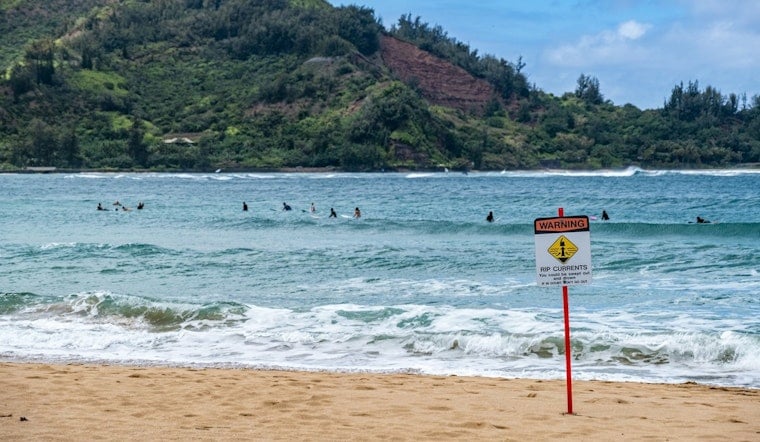
Fourth of July weekend was supposed to be about fireworks and grilled hot dogs. Instead, rough surf and ripping currents turned beaches into rescue zones, as lifeguards yanked hundreds of panicked swimmers from fast-moving channels and emergency crews raced to multiple drownings from the Atlantic coast to the Great Lakes.
The tense weekend has beach officials repeating the same blunt message to holiday crowds: rip currents do not care how strong a swimmer you think you are.
Holiday weekend: hundreds rescued, multiple deaths
National and local coverage shows just how busy lifeguards were. According to CBS News Chicago, powerful rip currents contributed to hundreds of rescues along ocean coasts and the Great Lakes over the holiday stretch.
Down in Florida’s Volusia County, home to Daytona Beach, ABC News and local officials reported more than 200 swimmers pulled from the water and at least two deaths during the same period, as heavy surf combined with packed holiday beaches.
Why rip currents are so deadly
Rip currents are narrow, fast-moving rivers of water that rush away from shore. They can grab your legs in waist-deep water and drag you out beyond the breaking waves before you have time to panic, which is usually exactly what happens.
The United States Lifesaving Association estimates that rip currents are responsible for more than 100 deaths in U.S. waters each year and make up the majority of lifeguard rescues at surf beaches. Scientific reviews of lifeguard records echo those numbers, underscoring that these channels are not rare freak events, but a routine hazard wherever waves are breaking.
If you get pulled out, do not fight the current
The instinct is to sprint straight back to the beach. That instinct is wrong.
The National Weather Service advises swimmers caught in a rip to stay calm, avoid fighting the current, and keep their head above water by floating or treading if needed. Wave and call for help so lifeguards or nearby surfers can spot you.
Instead of swimming directly toward shore, move parallel to the beach until you are out of the narrow channel of fast water. Once the pull eases, angle back in with the waves. It is less dramatic than the movie version of an ocean rescue, but it is how people survive.
Chicago lakefront and the Great Lakes
Freshwater does not mean harmless. The Great Lakes can produce the same kind of dangerous rip currents when wind and waves line up, and Lake Michigan has a long history of close calls and tragedies.
Local safety advocates and lifeguards say onshore winds and building surf along Chicago’s shoreline routinely lead to rescues. Chicago outlets have already pushed rip current alerts this summer, while groups like the Great Lakes Surf Rescue Project track frequent incidents around the lakefront and urge swimmers to park themselves in front of staffed lifeguard towers and follow the flag system.
Where to check conditions and learn more
Before you throw down a towel or dive in, check the local beach flags and the daily beach forecast from the National Weather Service. A few seconds of checking conditions, plus choosing a spot near lifeguards, sharply cuts the risk of a bad day in the water.
For a deeper dive into what rip currents look like and how to escape them, the NWS rip current safety toolkit and the United States Lifesaving Association offer clear visuals, survival tips, and reminders that the smartest beach flex is knowing how to avoid needing a rescue at all.



