

























































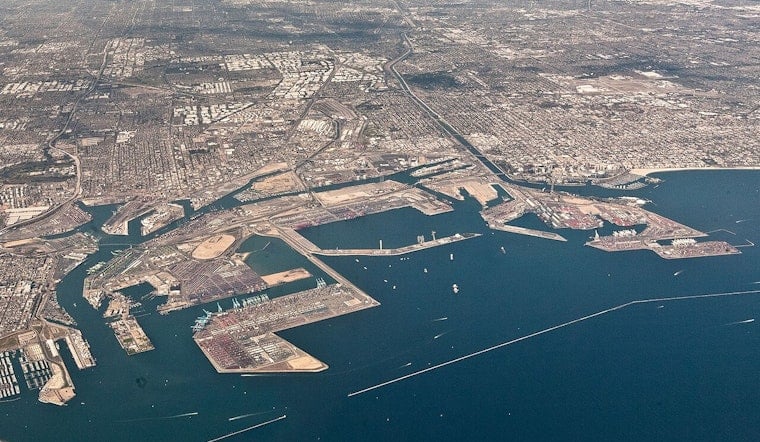
Congress just gave the Port of Long Beach a serious boost, nudging a long planned channel deepening project closer to reality by advancing a bipartisan water resources bill. The move does not unlock construction cash yet, but it does set up an authorization path for a U.S. Army Corps of Engineers backed deep draft navigation plan that port leaders say would help the largest container and liquid bulk vessels slip in and out of the San Pedro Bay complex with fewer tide driven delays, shorter ship queues and less pollution.
Congressional action clears an authorization path
The House Transportation and Infrastructure Committee unanimously signed off on H.R. 9497, the Water Resources Development Act of 2026, the legislation that authorizes Corps projects and identifies ready to build efforts, according to the Transportation and Infrastructure Committee. Lawmakers used the markup to fold in dozens of new feasibility studies and 14 projects that Corps staff have already vetted. Committee leaders billed WRDA 2026 as a way to speed up Corps processes and clear a path for ports, harbors, and flood risk projects across the country.
What the channel work would look like
In planning documents, the Army Corps Los Angeles District and the port sketch out a tightly focused package of dredging and channel tweaks across the Long Beach complex. The plan would deepen the main approach channel from 76 feet to 80 feet, ease portions of the main channel to about 76 feet, and carve out a new approach channel and turning basin outside Pier J South to 55 feet, according to the U.S. Army Corps of Engineers Los Angeles District. It would also deepen parts of the West Basin and Pier J berths and reinforce breakwaters so dredging can be done safely. Corps engineers say the point is to improve navigational safety and cut back on tide restricted calls by the biggest ships.
Price tag and who would pay
The expected cost has climbed as the project has gone through years of planning. A recent local report pegs the total price at about $255 million, split between the federal government and the Port of Long Beach, according to the Press-Telegram. Earlier coverage put the figure closer to $170 million and noted a roughly $109 million local share for the port, reflecting how changes in scope, permitting requirements and inflation have pushed the estimate higher over time, according to the Long Beach Business Journal.
Timing: engineering first, work later
Port staff and trade publications have said full scale dredging would likely run for about three years once contracts are awarded and permits are secured. Some early reporting suggested dredges could be in the water by the mid 2020s, but that timeline has shifted as the port finishes environmental review work and lines up federal sign offs, according to ENR. The committee’s WRDA vote moves the authorization step along, yet the Corps and the port still need to complete final design, secure permits and wait for Congress to appropriate construction dollars before major dredging can begin, as described in committee documents.
Environmental tradeoffs and mitigation
Port planners say they intend to reuse dredged material whenever possible through nearshore beneficial use or placement at federally approved ocean disposal sites, and they have pledged to rely on electric dredging equipment and cleaner harbor craft to hold down emissions. Even so, the port’s environmental review concluded that air quality impacts would remain significant, and local advocates, including Earthjustice, have pressed for tougher mitigation as the project advances, according to reporting in the Long Beach Business Journal. Expect continued fights over where material ends up and what extra protections are required as permitting and design move into the weeds.
Officials’ pitch: jobs, supply-chain relief and emissions cuts
Port and local officials are selling the project as both an economic engine and an environmental upgrade. “The deepening and widening of these channels is of vital importance to the nation’s economy,” Port of Long Beach Executive Director Mario Cordero said in a statement quoted in a Corps news release. Lawmakers and port executives argue that smoother access for mega ships would bolster America’s supply chain while trimming pollution from vessels idling at anchor, and port leadership publicly cheered the committee’s step toward congressional authorization, as reported by the Press-Telegram.
From here, the process gets wonky but stays high stakes. WRDA still has to clear the full House, and lawmakers must later sign off on actual construction funding. If those pieces fall into place, port and Corps officials say the project would move into final engineering, bidding and a multi year dredging window that they argue will boost capacity for larger ships and cut wait times at anchor, with ripple effects across regional and national supply chains.




