

























































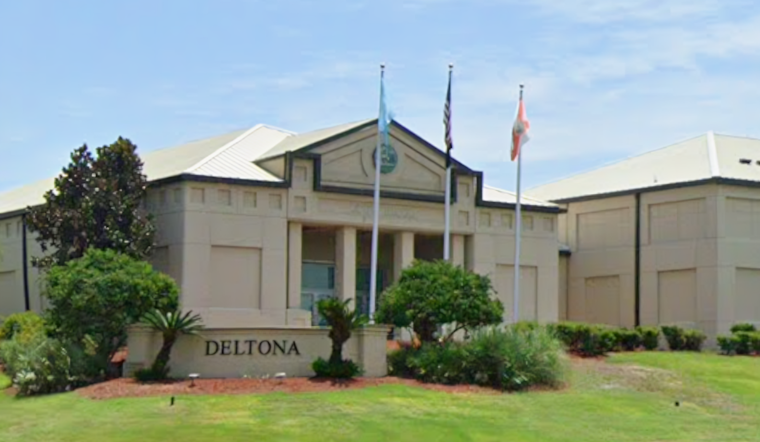
Deltona is weighing a new parcel-based fire assessment that could land on local tax bills just as Florida voters confront a sweeping property-tax amendment in 2026. City officials say the fee is a kind of financial firebreak against what they warn could be a multimillion-dollar budget shortfall, shifting part of the fire-rescue tab off the general fund and directly onto property owners through a non-ad valorem charge.
City already hired a consultant
The groundwork for the fee has been in motion for a while. Last year, city commissioners signed off on a contract with Alfred Benesch & Company to complete a Fire Rescue Assessment Study, setting aside roughly $47,315 to test different operating and capital scenarios. The consultant is preparing a benefits-and-burdens analysis that would spell out what various parcel types should pay and how that lines up with the services they receive.
That report is also expected to guide the city on the legally required outreach, public hearings, and rate-setting steps. As detailed in City of Deltona Legistar, staff plans to follow the statutory process if the commission decides to pull the trigger on a formal assessment.
Statewide vote raises the stakes
The timing is not accidental. The Florida Legislature has already sent a major property-tax constitutional amendment to the November 3, 2026, ballot. The measure would significantly expand homestead exemptions and alter how local ad valorem revenue can be used, changes that could leave cities scrambling to plug holes in their budgets.
Policy watchers have warned that the amendment could shift billions in costs off state homeowners and onto local governments, tightening the vise on city finances. An analysis by the Tax Foundation notes that expanding exemptions and capping assessments would likely push many communities toward new fees, service cuts, or other workarounds.
Neighboring cities are preparing, too
Deltona is not alone in trying to get ahead of the curve. Local coverage shows several Central Florida governments kicking around similar fire assessments as they brace for the 2026 vote. Television reports say Deltona officials are “moving quickly” on their proposal, while nearby Sanford has revived debate over a fire assessment, returning to the idea yet again as property-tax reform looms.
ClickOrlando has highlighted Deltona’s push, and a separate report from ClickOrlando details Sanford’s renewed interest in a fee of its own.
How the assessment would be collected
If commissioners ultimately approve it, Deltona’s fire assessment would be collected using the uniform method for non-ad valorem assessments and would appear on the annual property tax bill. It is the same collection system the city already uses for stormwater and solid-waste assessments.
The city’s published fee information lays out current impact fees and special assessments and explains that they are collected through the tax roll. Staff materials say property owners would receive mailed notices, followed by public hearings where rates could be debated before they are locked in. According to the City of Deltona, these types of assessments are billed annually by the tax collector when the uniform method is in place.
What homeowners might see
For now, the great missing detail is the price tag. No rate has been set. The consultant’s benefits-and-burdens study is supposed to shape how much each category of property would pay if the commission signs off.
The city has already been recalibrating other charges tied to growth. Deltona recently moved to adjust developer and impact fees as it plans for additional stations and new equipment, signaling a broader shift in how growth and core services will be funded. As reported by Spectrum News 13, city leaders point to rising costs and expanding service needs when they argue for higher developer and infrastructure fees.
What to watch next
From here, Deltona has to walk through a strict legal checklist. That includes adopting an intent resolution, mailing notices to affected property owners, holding public hearings, and, if the plan survives those steps, placing the fire assessment on the tax roll under the uniform collection method.
According to staff, the commission has already taken some preliminary actions that start the process. Residents should watch the city’s commission calendar and meeting records for formal notice dates, draft rates, and hearing schedules. The legal framework for the whole process is spelled out in Section 197.3632 of the Florida Statutes, which governs how non-ad valorem assessments are adopted and collected.




