

























































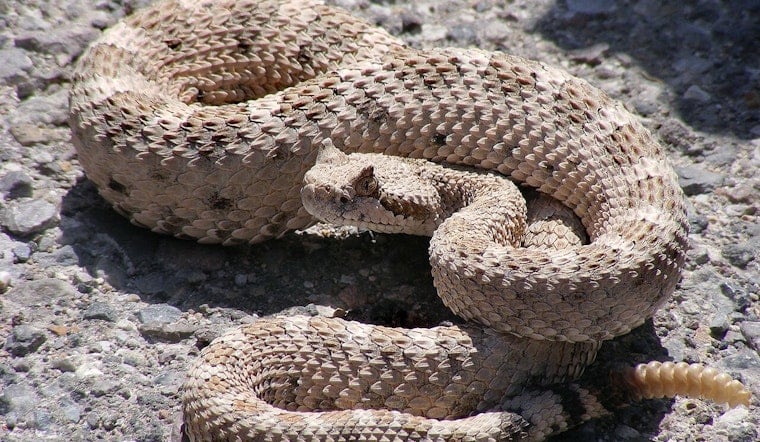
When a rattlesnake strikes somewhere between Payson pines and Casa Grande desert scrub, Banner Air is no longer waiting for the hospital to start the heavy lifting. The nonprofit air-ambulance network now flies with antivenom kits on board, so flight crews can begin treating bite victims while still in the air. With five helicopter teams covering the Valley and nearby rural stretches, nurses say getting antivenom into a patient within minutes can prevent permanent tissue damage and, in the worst cases, save a limb. With summer hikes heating up and monsoon season rolling in, crews say those extra minutes matter more than ever.
The team staged at a Queen Creek helipad jumps into action on a four-beep alert, working to get airborne within about 10 minutes of a "tone out," Amanda Wigman told reporters. Flight nurse Michael Pacuk summed up the strategy in three words: "Time is tissue." He explained that is why the crew carries the antivenom Antivip and prepares a full dose right at the scene whenever needed. As reported by FOX 10 Phoenix, Banner Air operates five helicopter teams from Payson to Casa Grande and says it is the first EMS agency in the country to carry Antivip during flight.
Banner Air launched its pre-hospital antivenom responses in 2021, and local crews have already administered Antivip in the air. As reported by Arizona's Family, a 2023 case involved a hiker who received Antivip from a Banner flight nurse before reaching the hospital, underscoring how an early dose can shift the outcome of a serious bite.
How the antivenom kit works
Crew members carry Antivip in a ready-made kit that medics mix with saline before use, and a full dose is 10 containers, according to FOX 10 Phoenix. During drills, the team runs through a checklist that includes placing bilateral IVs, setting up continuous monitoring and confirming antivenom readiness so they can safely begin infusion in flight. Pacuk said that starting treatment early can "stop the tissue necrosis from happening."
Arizona context: bites and resources
A 2024 review of Arizona hospital and poison-center records found 1,288 snakebite patients between 2017 and 2021, with a median of 14 vials of antivenom given per patient, highlighting how resource-heavy these cases can be. The study, published in Clinical Toxicology, also notes that Arizona reports the highest number of rattlesnake envenomations in the United States, a stark reminder of why faster pre-hospital treatment options can change what happens next for a bite victim.
What to do if someone is bitten
If you or someone nearby is bitten, call 911 right away and keep movement to a minimum so the venom spreads more slowly. Banner Health and poison centers advise keeping the bite below heart level, removing rings or tight clothing before swelling begins and skipping home remedies such as tourniquets, cutting the wound or applying ice. Those organizations stress getting to an emergency department so clinicians can decide whether antivenom is needed and monitor for complications, per Banner Health.
Banner Air's in-flight antivenom program is not a replacement for hospital care, but it does cut down the time between bite and treatment in a state where rattlesnake encounters are part of the landscape. Crew leaders say every minute counts during Arizona's hiking season, and for patients in remote terrain, those saved minutes can mean more preserved tissue, fewer surgeries and shorter hospital stays.





