

























































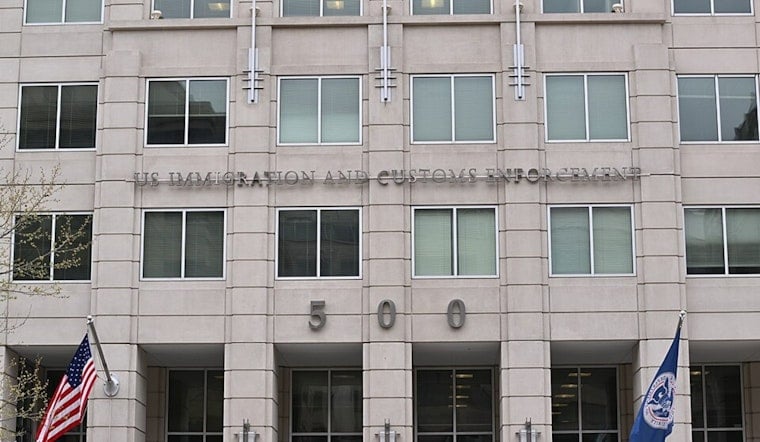
An Afghan asylum seeker living in metro Detroit spent 68 days in Immigration and Customs Enforcement custody before a federal court order and a neighborhood fundraising blitz got him out. Friends and neighbors pulled together $15,000 to post bond, and he is now out of detention but under tight supervision, including electronic monitoring and frequent in‑person check‑ins. His case has quickly turned into a local flashpoint over how new federal detention rules are reshaping daily life for asylum seekers in Michigan.
Release after a habeas petition
M, a Hazara man who fled the Taliban and entered the United States in 2022, was picked up after he showed up for a scheduled ICE appointment while his asylum claim was still pending, according to his attorney. After nearly 10 weeks behind bars, his lawyer filed a habeas corpus petition. A federal judge then ordered that M be released or given a bond hearing, and his friends scrambled to raise the $15,000 needed to secure his freedom. He finally walked out of custody on bond.
“I had the hope that my life would get better when I get to the U.S., but unfortunately I have not reached that goal yet,” he told reporters, as reported by Planet Detroit.
The habeas petition was filed by Rebecca Olszewski of the Michigan Immigrant Rights Center, who argued that M’s detention violated due process and that the government had misapplied the mandatory detention framework. A Western District of Michigan opinion has directed that detainees be provided a bond hearing under 8 U.S.C. § 1226(a) within five business days or be released, according to Justia.
Policy backdrop
Advocates say M’s ordeal is not a one‑off but part of a larger enforcement shift. ICE interior arrests and detentions climbed sharply after a July 2025 policy change, with more at‑large arrests and fewer routine releases from custody. National analysis from the Deportation Data Project shows arrests and detentions surged in the administration's first year, changing both who is held and for how long.
The government’s reading of the mandatory detention law has already been rejected by several appeals panels and is now the subject of a Supreme Court appeal, as reported by the AP.
What this looks like in Michigan
On the ground in Michigan, advocates say the shift is hard to miss. ICE arrests in the state jumped from 85 in January 2025 to 477 in January 2026, a spike that has strained already thin legal services and triggered a wave of habeas filings. Community groups and legal clinics have been racing to post bonds, line up representation and track how courts and ICE supervise people after they are released.
The practical and personal costs, including emotional trauma, strict monitoring conditions and steep bond amounts, are documented in reporting from Planet Detroit.
Legal stakes
For attorneys and families, the immediate questions are procedural and urgent. Can detainees get bond hearings quickly, and will judges keep using habeas review to force the government to justify continued custody? An investigation by Michigan Public documented hundreds of habeas petitions in Michigan’s federal courts and found that high bond amounts and government appeals often keep people locked up even after judges rule the detention unlawful.
Those legal and financial pressures mean that release on bond can amount to only partial relief unless broader changes follow. Community groups and bond funds say they will keep mobilizing while lower courts and the Supreme Court sort out the bigger legal questions.
For now, M is out of an ICE cell but still living under tight supervision. His case is a pointed reminder that winning release and securing the right to a hearing are only pieces of a larger legal and human story still unfolding across Michigan.





