

























































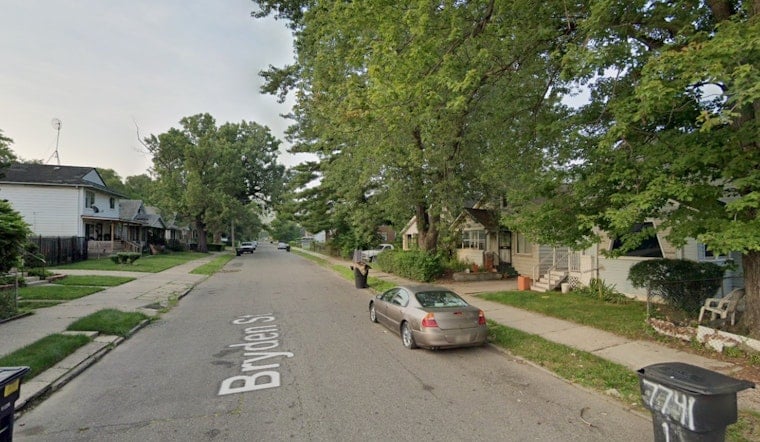
Neighbors in Detroit's Midwest‑Tireman neighborhood say their quiet Saturday was shattered on June 16 when a crew rolled up to 7727 Bryden, a house bought from the Detroit Land Bank Authority, and started tearing it down without proper city permits. Residents recall heavy equipment moving in, a large dumpster dropped on site, and thick dust and fumes drifting through nearby yards. By the time the machines left, the house was gone, the lot was red‑tagged, and the block was left asking who green‑lit the teardown and why basic safeguards were missing.
Longtime community advocates Ru‑Shann Long and Anita Starks told ClickOnDetroit they watched the demolition unfold in real time and worried about what might be swirling in the air or lurking underground. “They didn’t have no water. Fumes. Everything. Debris is flying,” Long said. Starks added, “What if something would have blew up?” Neighbors say the lack of visible safety controls made the job feel less like a regulated city demolition and more like a rogue teardown happening in broad daylight.
City ordered emergency demolition and drew up cleanup bids
City inspectors arrived the day after the house came down, and the Buildings, Safety Engineering and Environmental Department later issued a stop‑work order and an emergency ordered demolition notice for the parcel. The city then solicited bids for an emergency residential demolition at that same address. Public procurement documents spell out the Notice of Emergency Ordered Demolition (record DNG2025‑00602) and describe the scope of work for contractors, including removing debris, backfilling, and restoring the site, according to the solicitation posted online. Detroit’s municipal code requires a wrecking permit and a licensed contractor for most demolitions, a safeguard meant to protect both neighbors and workers, as laid out in the city code.
What the land bank says
The Detroit Land Bank Authority told ClickOnDetroit the buyer who acquired the Bryden parcel was not allowed under the DLBA sale contract to knock the house down. After inspectors red‑tagged the remaining debris, contractors were brought in on July 10 to clear what was left, the authority said. The property had been listed through the DLBA’s public portal, and under the DLBA’s Structure Sales Policy, the agency retains the right to reconvey a property if a purchaser violates rehabilitation or maintenance requirements. In practice, that means the land bank could reclaim the lot if it shows the buyer broke the contract.
Health and legal stakes for neighbors
Residents’ fears about asbestos and contaminated soil are rooted in real regulations, not just worst‑case scenarios. Federal asbestos rules require owners to inspect for and control asbestos before demolition, and sudden teardowns like this can trigger NESHAP reporting and oversight, according to the EPA. Improper demolition can bring municipal fines and civil enforcement, and the city’s code lays out permit and notification steps meant to head off exactly these kinds of hazards. City officials say their playbook in unauthorized wrecking cases includes stop‑work orders, fines, and, when needed, emergency contracts to remove what is deemed a public hazard.
How neighbors can report
When Detroiters see demolition work happening without visible permits, the city urges them to contact BSEED, the Buildings, Safety Engineering and Environmental Department. The construction inspection line and an emergency demolition reporting number are listed in the department’s contact directory. The city’s contact directory lists BSEED construction inspection at (313) 224‑3202 and an emergency demolition reporting line, according to the City of Detroit. Neighbors on Bryden say they did call officials as the teardown was underway, but feel the episode exposed gaps in real‑time oversight on the ground.
City officials say they have cited the owner and started cleanup, and the DLBA says it is moving to reclaim the site. For residents, though, the empty lot is a reminder of how fast things can go wrong when the rules are ignored. Community advocates say this is about more than one house, and are now pushing for clearer enforcement, quicker follow‑through, and better notice when a property leaves public inventory and ends up in private hands.





