

























































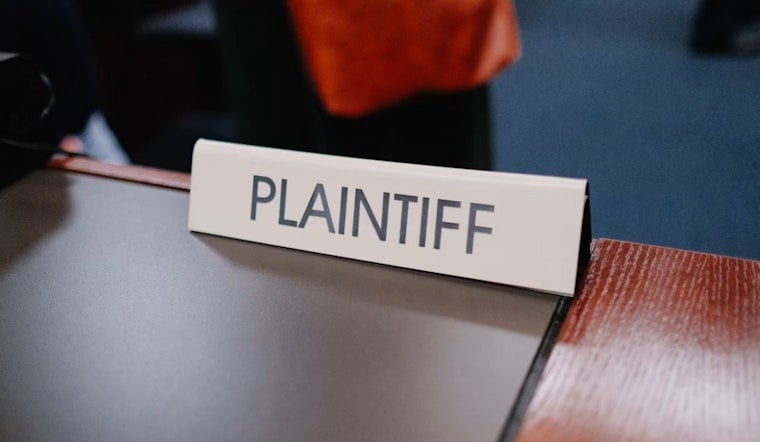
A Wayne County circuit judge is facing serious blowback after appearing virtually in an East Lansing courtroom to speak on behalf of a young woman she said she once served as guardian for. The presiding 54-B District Court judge called the move "wholly improper" and said she would report the conduct to Michigan's disciplinary authorities.
Judge scolded during OWI arraignment
During a June arraignment in Ingham County's 54-B District Court, Judge Molly Hennessey Greenwalt interrupted Cylenthia LaToye Miller after Miller told the court she was appearing in her capacity as an attorney and only for this limited purpose. Greenwalt pressed Miller on whether she was a sitting judge and said the appearance could create an appearance of impropriety. She added that she had a duty to report the conduct to the Michigan State Bar.
The arraignment was adjourned, and Miller was told she could not return on the matter. A phone call seeking her comment was not returned, according to WXYZ.
Past controversies follow Miller
The episode lands on top of other recent controversies involving Miller. In June 2024, she was found with a loaded, unregistered firearm at Detroit Metropolitan Airport, later pleading no contest to a weapons charge and receiving probation. And in December, Miller dismissed felony charges in the death of a 9-month-old child, a ruling Wayne County Prosecutor Kym Worthy has appealed. Coverage of the airport case and the appeal is available from Deadline Detroit and the Detroit Free Press, respectively.
Ethics and what could follow
Michigan's judicial and legal-ethics rules are clear that judges must avoid using their office in ways that create favoritism or even the appearance of impropriety. Judges are also generally barred from practicing law in ways that conflict with their judicial duties. According to the State Bar of Michigan, judges are required to steer clear of both impropriety and its appearance, and complaints about a judge's conduct are typically sent to the Michigan Judicial Tenure Commission.
The Judicial Tenure Commission explains how members of the public or attorneys may file a request for investigation and what the commission may do in response. Any formal grievance could lead to an inquiry and possible disciplinary recommendations. The tense exchange in East Lansing highlights why Michigan courts keep a strict line between judging and advocacy to protect public trust in the system.





