

























































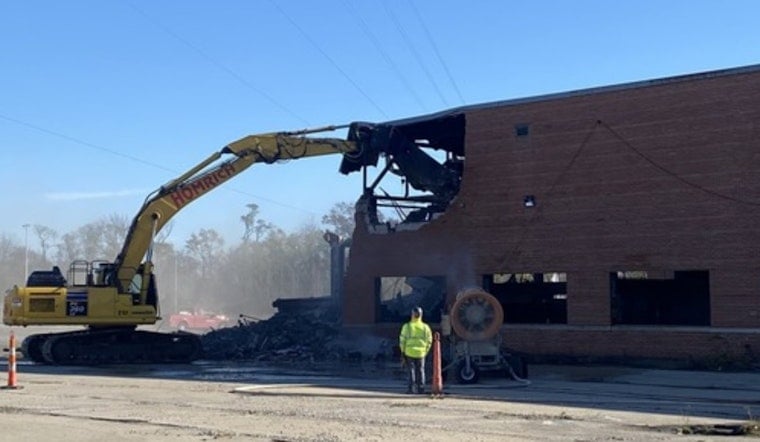
Detroit’s long-idled Coolidge site is back in business. Yesterday, Mayor Mary Sheffield and transportation officials cut the ribbon on the new $160 million Coolidge Terminal on the city’s west side, a roughly 200,000-square-foot, three-building campus that is now DDOT’s central hub for storage, maintenance and operations. The complex replaces a long-empty depot that was damaged by fire in 2011 and later demolished, pulling work that had been scattered across aging garages into one modern base that drivers and city leaders say is a concrete step toward stabilizing a bus system riders have called inconsistent for years.
Funding And Who Paid For It
According to the City of Detroit, the $160 million price tag is covered primarily by a $102.5 million Federal Transit Administration award, about $31.5 million in city funds and roughly $25.6 million from the Michigan Department of Transportation. City documents also flag money in the total budget for demolition of the old site and energy-efficiency work at the new one.
What’s Inside The New Complex
The revamped Coolidge campus is built to be a one-stop home base for DDOT. The complex features a 121,192-square-foot climate-controlled storage building that can park up to 120 buses overnight, a 54,293-square-foot maintenance building, and a roughly 16,922-square-foot administration building that includes an indoor-outdoor employee lounge, kitchen, workout room, lockers and showers, according to ClickOnDetroit. Planners also baked in space for future expansion if and when the fleet grows.
A Project Years In The Making
DDOT started looking at how to rebuild the Coolidge site in 2019 and wrapped up a facilities master plan in 2021 before moving into construction, the city says. The original Coolidge terminal opened in 1928 and stayed in service until the 2011 fire. Once the new campus is fully operational, the city has said DDOT will decommission the older Gilbert terminal, and local transit historians have documented Coolidge’s long run as a west-side transit hub, per Detroit Transit History.
Drivers, Unions And Advocates React
“They deserve to have a first-class facility to support them and now they do,” Mayor Sheffield said at the dedication, according to ClickOnDetroit. Union leaders and transit advocates have argued that a modern workplace, paired with recent federal grants and contract wins, can help keep mechanics and operators on the job, a step they say is necessary for more reliable service, as reported by WXYZ.
What It Could Mean For Riders
City officials say consolidating operations at Coolidge will let DDOT stage and maintain more buses locally, which they hope will translate into less downtime and fewer missed trips. Outside analysts have pointed out that a gleaming facility by itself will not fix service without continued investment in vehicles and staffing. Axios notes the Coolidge terminal is one piece of a broader package that also includes federal bus grants and wage improvements intended to make the system more dependable.
The new Coolidge Terminal has room to grow, and officials say it is meant to serve as a base for new buses and expanded maintenance capacity in the coming years, according to WXYZ. For riders, the real test will be whether those investments show up on the street as more on-time trips and fewer breakdowns in the months ahead.




