

























































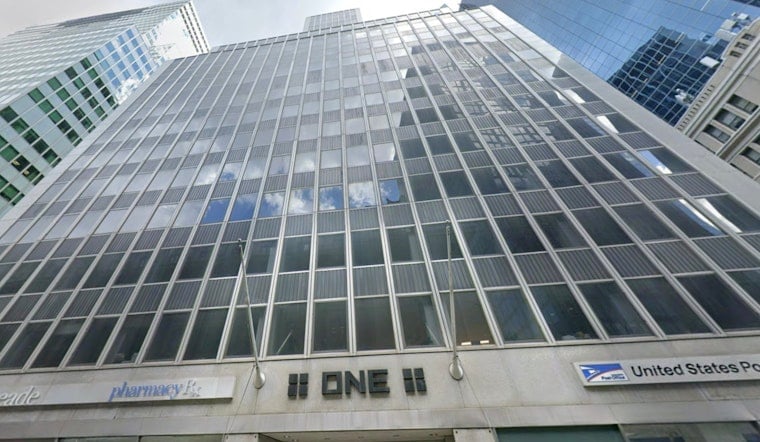
Days after a scary structural failure at one of its Midtown conversion sites sent workers and residents scrambling out of nearby buildings, developer MetroLoft quietly closed on a Financial District office tower it plans to turn into apartments. The deal adds yet another high-profile office-to-residential project to a firm already knee-deep in some of Manhattan’s biggest conversions, even as engineers are still trying to figure out what went wrong on East 42nd Street.
According to Gothamist, MetroLoft closed on 1 Whitehall Street on July 1, acquiring the 23-story tower from LoanCore after the debt fund foreclosed on the previous owner. Gothamist notes the building, which dates to 1962, was sold with CBRE broker Doug Middleton handling the transaction. The timing put the closing just days after emergency crews rushed to stabilize the Midtown site.
Bisnow reported the purchase price at roughly $104.5 million, with an Apollo-linked lender providing about $72.5 million in acquisition financing. The acquisition followed an April contract reported by Commercial Observer, when MetroLoft and Quantum Pacific first emerged as the buyers.
Midtown Scare: Buckled Columns And Evacuations
The Midtown emergency unfolded at the massive former Pfizer complex on East 42nd Street, where concerns about a potential collapse led officials to clear nearby buildings and shut down surrounding streets while crews worked to stabilize the structure. The AP reported that two load-bearing columns on the 21st floor buckled, causing sagging floors and reports of falling bricks. By Tuesday night, the Department of Buildings said monitoring showed no additional movement and that shoring work was underway. Fire department drone footage and on-the-ground inspections were used to define a collapse zone and guide the emergency repairs.
MetroLoft’s Record And Response
MetroLoft is no stranger to large conversion plays. Its portfolio includes 25 Water Street and 55 Broad Street, both marquee office-to-apartment projects in Lower Manhattan. The firm’s own materials list 25 Water as roughly 1.13 million square feet, with 55 Broad being redeveloped into 571 units. JLL has previously detailed the financing behind the 55 Broad conversion, underscoring the heavyweight banking and advisory support behind these types of deals. MetroLoft told reporters it is working with the city to shore up and repair the East 42nd Street property and stressed that safety remains its top priority, according to The Real Deal.
Regulators, Conversions And A Tight Housing Market
New York’s housing squeeze is a big part of why conversions like these are happening at such scale. Official surveys put the city’s rental vacancy rate near historic lows, and that scarcity has made underused office buildings tempting candidates for residential reuse. Data compiled for the city comptroller, based on Department of City Planning filings, show that large conversion applications and permits represent thousands of new apartments and hundreds of thousands of square feet of redevelopment. When one high-profile project runs into trouble, it can spook lenders, insurers and neighbors up and down the pipeline. Regulators and financiers are expected to study the forensic findings from East 42nd Street closely as they reassess risk across the city’s conversion roster.
Investigation And Legal Questions
The fallout is not just about engineering. Reporting indicates that the Manhattan District Attorney’s Office and the city Department of Investigation have opened preliminary inquiries into the Midtown failure, a probe that could scrutinize permitting, design work and contractor conduct, The Independent reported. The project also drew multiple Department of Buildings complaints and safety violations last year, which The Real Deal has documented. Those records are likely to be central to any criminal or civil review.
For now, MetroLoft’s 1 Whitehall Street purchase remains intact, but the eventual timeline for that conversion, and for resumed work at the East 42nd Street site, will hinge on the Department of Buildings’ forensic analysis and any follow-up from criminal investigators. Industry sources say the conclusions from the Midtown review will echo across New York’s office-to-residential pipeline, with buyers, underwriters and city officials tracking every development, as Bisnow noted.


