

























































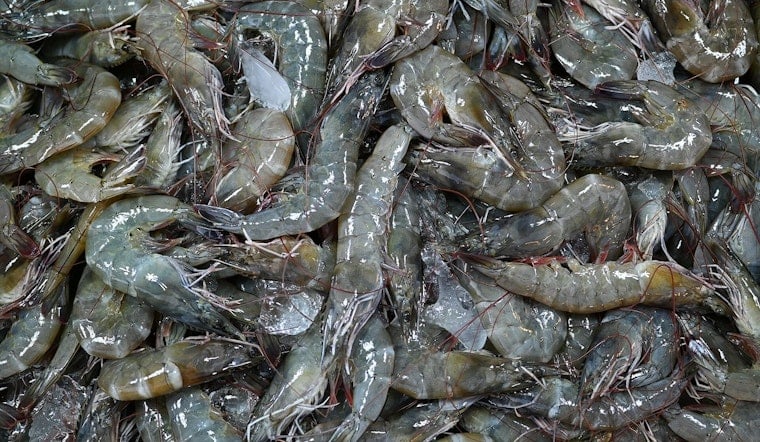
DNA testing on Outer Banks dinner plates has put a spotlight on "local" shrimp claims, with roughly half of the shrimp sold as "wild-caught American" at area restaurants last month turning out to be imported. A June retest of shrimp dishes at 22 restaurants found that only 11 plates actually contained domestically caught shrimp, echoing a December survey that also uncovered widespread gaps between menu promises and genetic results.
According to SeaD Consulting, the follow-up sampling ran June 18 to 23 and confirmed that 11 of the 22 restaurants checked were serving American wild-caught shrimp in the specific dish tested. In the earlier December round, SeaD sampled 44 restaurants and found only 16 dishes were the real deal, about 36 percent. The firm has published a list of restaurants that passed its checks in both rounds but stresses that the effort is an investigatory snapshot, not a formal legal audit of every shrimp delivery.
“We just ask that whenever you're at the coast, and you order a plate of American wild-caught shrimp, that's what you're actually being served,” SeaD co-founder Erin Williams told Axios. Axios also reported that state Rep. Celeste Cairns plans to draft legislation next session to crack down on seafood mislabeling on North Carolina menus.
How the testing works
SeaD uses a portable genetic assay called RIGHTTest to identify what species are actually in a cooked or prepared shrimp dish, and the company says the method has gone through peer review. The firm is quick to point out that its restaurant checks are not full-scale supply-chain investigations and that the results cannot always pinpoint where in the chain any substitution occurred. What the assays can do, SeaD Consulting says, is distinguish common imported farmed shrimp species from domestic wild shrimp in the sample that lands on a customer’s plate.
What it means for local shrimpers
North Carolina's shrimp fleet is small and financially fragile. A 2024 report from the North Carolina Division of Marine Fisheries counted fewer than 300 commercial shrimpers, and dockside shrimp landings were worth roughly $15 million in 2024, according to the Division of Marine Fisheries. Industry groups and local fish houses warn that mislabeling can drag down dock prices and undercut small, multigenerational businesses that depend heavily on selling truly local product.
Some suppliers say the publicity around the testing has already nudged restaurants toward buying more domestic shrimp. Willie R. Etheridge Seafood general manager Mark Vrablic told Coastal Review that SeaD's December findings pushed some operators to rethink their purchasing, and that “multigenerational shrimping businesses like mine are happy and able to supply local restaurants year-round.”
What diners should know
Nationally, the deck is stacked toward imports. Mississippi State University Extension notes that about 94 percent of the shrimp Americans eat is imported, and per-capita shrimp consumption climbed to roughly 5.9 pounds in the early 2020s. That backdrop helps explain why substitution is so common and why advocates argue that clearer menu disclosures, or even routine testing, could help protect both customers and coastal fishing communities from getting shortchanged.
Next steps
Lawmakers and industry groups are now watching closely to see what comes next. State Rep. Celeste Cairns told Axios she intends to introduce legislation next session aimed squarely at stopping menu mislabeling. The Southern Shrimp Alliance has been pushing for tougher disclosure rules and testing to hold restaurants accountable. For now, restaurants, fish houses and legislators say that being upfront about where shrimp comes from will be the immediate test of whether the Outer Banks' "local" branding truly matches what shows up in the basket.



