

























































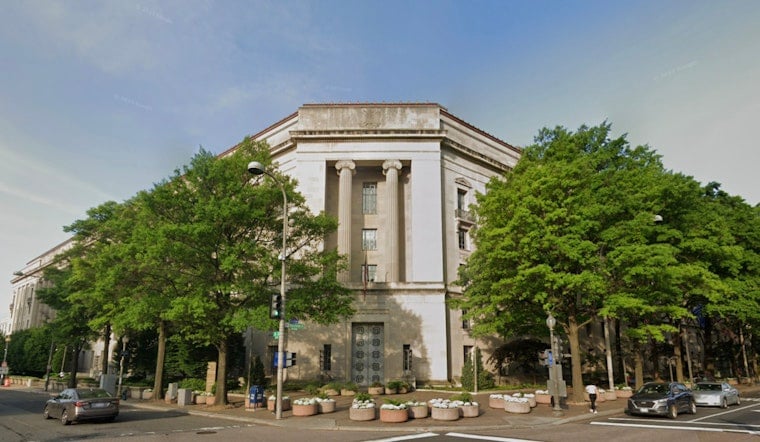
The U.S. Department of Justice is putting a new Southeast fraud machine on display Thursday, with officials promising a record slate of enforcement actions and a tighter alliance between federal and state investigators. The message is clear: schemes that cross state lines will increasingly be chased across state lines, too.
According to WOAI, Assistant General Colin M. McDonald of the National Fraud Enforcement Division was expected to outline new initiatives at the National Advocacy Center in Columbia, South Carolina. Gov. Henry McMaster and U.S. attorneys from Florida, Alabama and Georgia were also scheduled to attend, with the DOJ saying the partnerships are meant to improve cooperation between federal and state agencies.
Georgia And Florida Cases Put Numbers On The Push
One same-day example came from Atlanta, where suspended Georgia state representative Sharon Henderson pleaded guilty to falsely obtaining $17,811 in pandemic unemployment benefits, the U.S. Attorney’s Office for the Northern District of Georgia said. Henderson is the third Georgia state representative to plead guilty in similar pandemic unemployment fraud cases, and she is scheduled to be sentenced on November 3, 2026.
South Florida supplied another major case in the department’s Thursday rollout. As detailed by the U.S. Attorney’s Office for the Southern District of Florida, healthcare executive Michael Kochen was sentenced to 204 months in prison and telemarketing company owner Sandro Herek received 92 months after convictions tied to approximately $35 million in fraudulent Medicare Advantage claims.
That case involved medically unnecessary braces, aggressive telemarketing and alleged kickbacks targeting elderly beneficiaries. Prosecutors said Medicare Advantage plans paid more than $19 million on the fraudulent claims, turning vulnerable seniors into what one federal official described as profit centers.
In another Atlanta-linked action, a Texas laboratory, its former CEO and a Florida businessman agreed to pay $36.4 million to resolve allegations involving kickbacks and medically unnecessary genetic testing, according to the Northern District of Georgia. The whistleblower who brought the False Claims Act case will receive $7.2 million, while the laboratory also agreed to a five-year corporate integrity agreement.
A New Federal Fraud Structure
The regional announcement lands as the Justice Department builds out a new fraud-focused bureaucracy. Hoodline previously reported on a Miami man’s guilty plea in a $4.2 million tax refund scheme, another example of the public-money cases now being folded into a broader federal enforcement strategy.
The DOJ’s National Fraud Enforcement Division says it uses data-driven investigations, coordinates with agencies that administer taxpayer-funded programs and works with federal, state and local law enforcement. The division was formally created April 7, giving the department a centralized vehicle for cases that once might have been handled in separate prosecutorial silos.
What The Cases Mean Legally
The Thursday cases also show the range of consequences in the new crackdown: guilty pleas, lengthy prison sentences and multimillion-dollar civil settlements. Defendants who have not pleaded guilty or been convicted remain presumed innocent, and the DOJ noted that the claims resolved through the Access DX settlement were allegations rather than a judicial finding of liability.





