

























































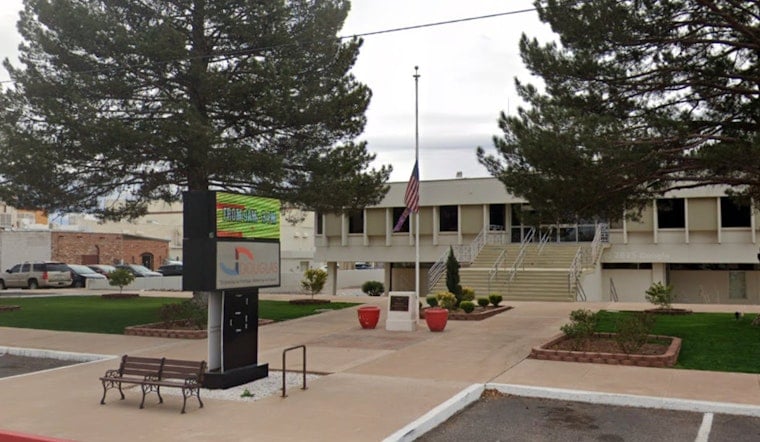
The U.S. Department of Agriculture says Mexican cattle will soon be moving north again, announcing Friday that it will begin a phased, risk-based reopening of southern cattle ports next month, starting with the Douglas, Arizona, crossing on Aug. 24. The reopening hinges on Mexico hitting specific benchmarks in a joint action plan to stop the northward spread of the New World screwworm, and officials say every animal that enters through newly reopened ports will undergo a full inspection before being allowed into the United States.
Federal officials are pitching the move as a tightly controlled restart focused on lower-risk crossings and backed by binational checks at each step. According to the U.S. Department of Agriculture’s Animal and Plant Health Inspection Service, Sonora and Chihuahua are considered the lowest-risk Mexican states because of their inspection programs, and operational planning for Santa Teresa and Columbus in New Mexico will begin once Douglas is up and running.
Why Douglas, And What The Risk Looks Like
The department said Douglas got the nod in part because it borders Sonora and has a long track record of veterinary cooperation with Mexican authorities, although officials stressed the schedule can change if conditions do. As reported by KFOX, USDA noted that the closest active New World screwworm case to Douglas was detected about 325 miles away on July 22, 2026.
Reaction From Officials
Texas Agriculture Commissioner Sid Miller cheered the limited return of imports while taking a swipe at how the federal government has handled the outbreak overall. “Resuming cattle importation from Mexico is the right move for ranchers and American consumers,” Miller said, while arguing that “USDA has spent more than a year reacting instead of getting ahead of the problem,” according to KFOX.
Markets And Meat Prices
Officials and market watchers say the carefully staged reopening is designed to ease some of the supply squeeze that has helped push beef costs higher after more than a year of tight import restrictions. Reporting and analysis from The Texas Tribune found that the import halt helped drive cattle and beef prices to record highs, and any relief for shoppers will roll out slowly as imported feeder cattle move through feedlots and eventually into the processing pipeline.
What Comes Next
APHIS says it will keep a close eye on data and audits after Douglas reopens and is prepared to slow or stop additional port openings if new risks emerge. The agency’s statement emphasizes that any timeline for bringing Santa Teresa and Columbus online will depend on Mexico’s progress under the joint action plan and on ongoing surveillance, per USDA APHIS.
For ranchers and feedyards, the short-term impact will be modest. Imported feeder cattle take months to reach slaughter weight, so any downward pressure on prices will be slow to show up. Still, after more than a year of sharply restricted cross-border trade, the Douglas move marks a significant shift in federal policy.




