

























































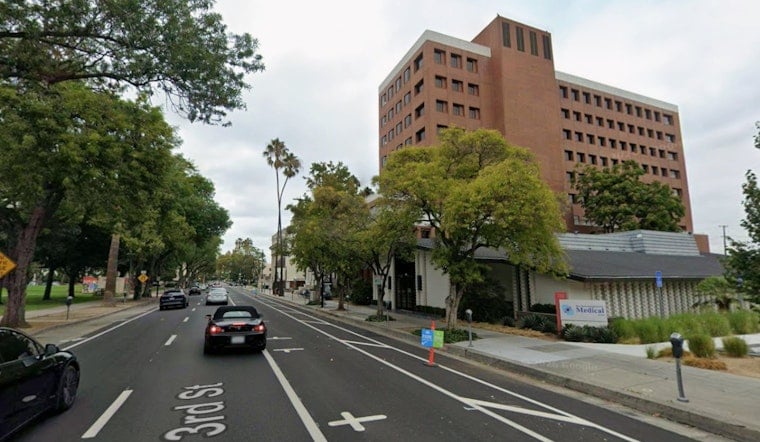
A nine-story office tower at 152 North Third Street in downtown San Jose that has been tied to former WeWork co-founder Adam Neumann has slipped into loan default, public records show. The latest stumble for the owner piles onto an already shaky office market and leaves a mostly empty building staring down what could be a long, messy legal and financial slog.
County records flag major loan trouble
Documents filed on July 15 at the Santa Clara County Recorder’s Office show the entity that owns 152 North Third Street has defaulted on a mortgage tied to the property, prompting a formal notice of default. The filings cite a $45 million loan and state that the ownership group owed about $37.5 million at the time the default was recorded, according to the East Bay Times.
How the loan was structured and why it soured
The mortgage originated in 2021 as part of a RIAL 2022-FL8 commercial mortgage-backed securities package. It carried an initial trust balance of $31 million, with total funded exposure of $45 million. A DBRS Morningstar surveillance report shows the loan was transferred to special servicing in May 2023 after missed payments. At closing, the building was essentially empty except for a ground-floor cafe, and servicers were already weighing a receiver appointment and possible judicial foreclosure if a workout fell through. That kind of process often stretches from several months to more than a year.
Who is behind the ownership group
The ownership is controlled by Nazare Capital Management, a New York-based investment vehicle founded by Adam Neumann, the co-founder of WeWork. Reporting and property records connect Nazare to the building’s 2018 acquisition and subsequent renovation push, according to The Real Deal.
Vacant floors, a lone cafe and talk of apartments
The roughly 130,700-square-foot tower has stayed largely empty aside from a ground-floor eatery, even after renovations that were supposed to lure co-working users and other office tenants. A preliminary 2025 concept sketched out a conversion into about 133 apartments, signaling that ownership was already exploring a plan B to stabilize the asset, as reported by the East Bay Times.
Contractor says it is owed millions
Construction firm Build Group has sued an ownership affiliate over unpaid invoices and has asked a court to greenlight a sale of the property to cover the debt, according to reporting. The complaint claims more than $12 million in unpaid work and could push the building into a speedier court-ordered resolution if the default is not cured, The Real Deal reported.
What the playbook looks like from here
When loan workouts fall apart, special servicers typically move to install a receiver or pursue judicial foreclosure to protect the collateral and try to salvage value for bondholders. DBRS Morningstar’s servicing update said the special servicer had prepared a motion to appoint a receiver, a step that can take one to three months. A judicial foreclosure, by contrast, could stretch beyond a year, giving lenders and other creditors time to press for a sale or hammer out some alternative outcome.
For downtown San Jose, the default at 152 North Third Street is one more sign that traditional office demand remains under real pressure. It is also a reminder that conversions to housing or other uses are likely to stay on the menu as landlords and lenders sort through what to do with half-empty towers.





