

























































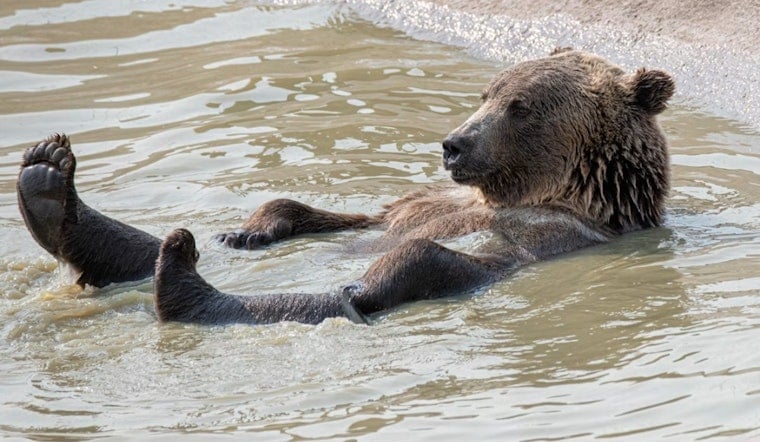
Bear season appears to have skipped the calendar in the Denver metro area, where black bears are showing up weeks earlier — and in greater numbers — than wildlife officials typically expect. Aurora, oddly enough, remains the region’s bear-free outlier so far.
A black bear was reported Thursday near the Highline Canal and South Franklin Street in Centennial, while recent sightings were also reported in Lone Tree, Arvada and Littleton. Sentinel Colorado reported that wildlife officials are seeing an unusually early wave of bear activity across the metro area and toward the foothills.
The backdrop is a rough one for animals looking for natural food. Colorado Parks and Wildlife recorded 5,299 bear reports statewide in 2025 — about 15% above the previous six-year average — and Axios Boulder reported that dry conditions can reduce forage and push bears toward easy calories in residential areas.
Dry Conditions Are Sending Bears Shopping
Low snowpack and a hot, dry spring and summer have limited the berries, nuts and other natural foods bears normally depend on. That can send them sniffing around trash cans, unlocked vehicles, bird feeders, grills and backyard fruit trees — basically anywhere a hungry bear might find a shortcut to dinner.
Aurora’s quiet streak may have more to do with geography than luck. Kara Van Hoose, a Colorado wildlife spokesperson, told Sentinel Colorado that interstates 70, 225 and 25 effectively separate Aurora from much of the metro’s bear corridor, although the city has seen bear activity before, including a persistent visitor in southeast Aurora in 2019.
What Denver-Area Residents Should Do Now
Colorado Parks and Wildlife advises residents not to run if they encounter a bear. Instead, make noise, raise your arms, back away slowly toward a house or vehicle, and give the animal a clear escape route, according to the agency’s bear-safety guidance.
The best defense starts before a bear appears: Keep garbage secured indoors or in a wildlife-resistant container, remove bird feeders while bears are active, bring pet food inside, and clean barbecue grills after every use. CPW also recommends locking car doors and windows, since bears can learn that vehicles sometimes contain easy meals, as outlined in the agency’s home protection tips.
Wildlife officials expect sightings to increase as fall approaches and bears begin searching farther and harder for calories before denning season. During business hours, Denver Parks and Recreation lists 303-291-7227 for wildlife concerns; call 911 if a bear poses an immediate danger to people.





