

























































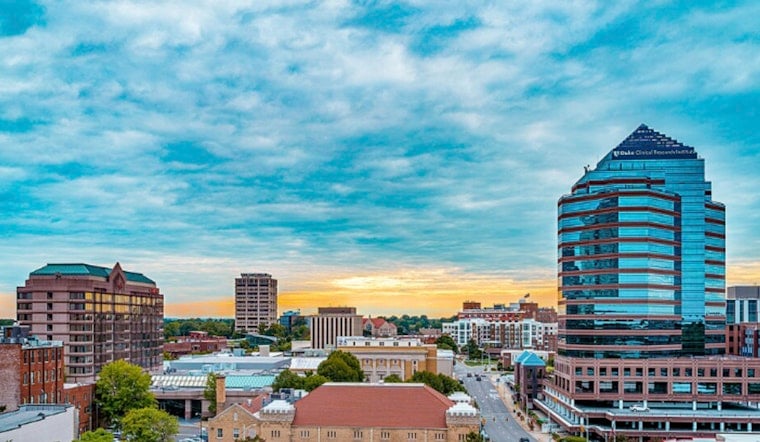
When 75-year-old Lawrence Peterson finally hung up his work boots 17 years ago, he figured they were going to stay in the closet for good. Instead, rising grocery bills, higher utility payments and stubborn sticker shock have pushed the Durham retiree back on the job this spring.
The latest federal inflation snapshot offers more of a shrug than a lifeline. The overall index dipped 0.4% from May to June, but prices are still sitting above their pre-surge levels. According to the Bureau of Labor Statistics, the all-items index fell 0.4% in June while the 12-month change remains near 3.5%.
Peterson, who now drives for a local transportation company, told ABC11 that "in order for me to keep my lifestyle, I had to go back to work," adding that "the grocery stores are outrageous." He pointed to higher utility bills and other basic costs as the reason he returned to paid work after nearly two decades of retirement.
Staples Still Costly
Even as headline inflation cools, the checkout line tells a different story on some basics. Bureau of Labor Statistics data show beef and veal prices climbing about 12% over the past year and coffee roughly 13% in the agency's June tables. National coverage has flagged produce as especially jumpy, with ABC News noting that tomatoes were among the sharpest year-over-year gainers in spring data.
Local Budgets Are Being Trimmed
For retirees living on fixed incomes, that kind of slow grind adds up fast. "It's hard for people who don't have a lot of discretionary income," retiree Jean Scott told ABC11. Fellow retiree Dolores Huey said eating at restaurants was among the first luxuries her family cut in order to stretch their budget. Those everyday tradeoffs, older residents say, can nudge people back into the workforce even as headline numbers suggest inflation is easing.
Why 'Cooling' Does Not Feel Like Relief
Economists note that a slower monthly inflation rate simply means prices are rising more slowly, not that they are falling back to where they were. The higher costs already baked into the system remain, and paychecks and fixed retirement income often trail behind. AARP research has found that a share of retirees have recently "unretired" to help cover basic expenses, a trend that highlights the growing financial strain on older Americans.
What To Watch
State officials are floating only modest relief so far. A budget recommendation from the North Carolina Office of State Budget and Management proposes a 2.5% one-time retiree supplement for the 2026-27 fiscal year, aimed at hundreds of thousands of retired members and survivors. Whether lawmakers sign off on that plan, and whether it does more than take the edge off for households like Peterson's, remains an open question.



