

























































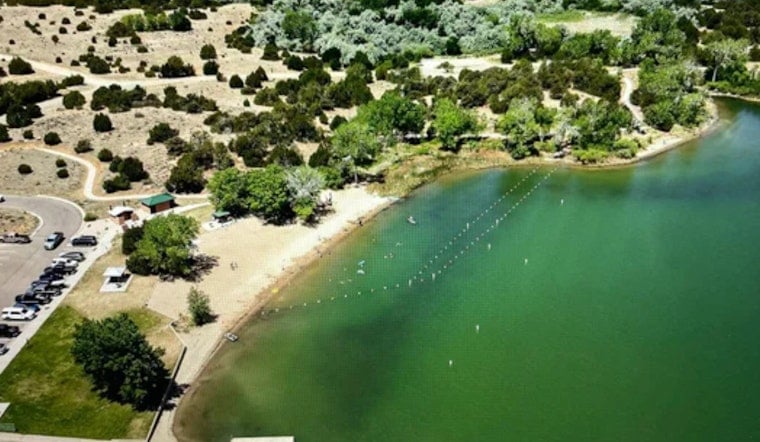
The swim beach at Lathrop State Park near Walsenburg was shut down on Friday after routine testing turned up elevated E. coli levels in Martin Lake, abruptly cutting short lake-day plans for visitors. Park staff posted closure signs at the designated swim area and restricted water contact while follow-up samples are processed. Officials said the beach will stay off-limits until subsequent tests show bacteria levels have dropped back to acceptable limits.
As reported by CBS Colorado, Colorado Parks and Wildlife collected the water samples and found counts above state safety standards. According to the Colorado Department of Public Health and Environment, a single sample with E. coli above 235 organisms per 100 milliliters requires closing a natural swim area until levels return to safe limits.
How swim-beach testing leads to closures
State rules require regular sampling at natural swim areas and set specific thresholds that trigger closures or confirmatory testing. A single reading over 235 organisms per 100 milliliters is considered actionable, and much higher results can prompt an immediate shutdown, according to Cornell Law School. In recent weeks, other state parks have also temporarily closed swim beaches after similar spikes, with park managers and local reporting pointing to wildlife waste, storm runoff, and failing septic systems as common culprits, Denver7 noted.
What visitors should know
Visitors are being urged to follow the posted closure signs. That means no swimming in the roped-off area, keeping pets out of the water, and avoiding swallowing lake water. Colorado Parks and Wildlife recommends checking the Colorado Parks and Wildlife page for Lathrop State Park updates and contacting park staff with questions about access or health concerns.
Next steps and monitoring
Park staff will keep resampling the water and will only reopen the Martin Lake swim beach once test results meet state standards, as reported by CBS Colorado. For current monitoring results and guidance on swim-beach safety, officials direct the public to the Colorado Department of Public Health and Environment and to local health notices.




