

























































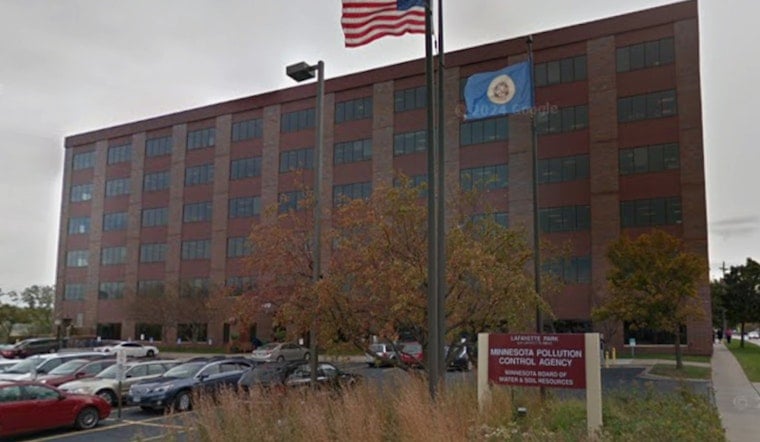
After learning that a battery recycling plant in Eagan released elevated levels of lead into the air from January through March 2025, residents say the state kept them in the dark for too long. They argue that a lag in public notification robbed families of the chance to get timely blood tests and soil checks that might have shown short-term exposure. Months of neighborhood meetings and media coverage eventually pushed state officials to explain what they knew and when they knew it, and now a legislative watchdog is stepping in.
The Office of the Legislative Auditor has launched a special review into when and how the Minnesota Pollution Control Agency notified nearby residents, according to CBS Minnesota. The watchdog told WCCO it expects to release its findings early next year, and the Environmental Protection Agency told the station that "the Clean Air Act does not prohibit sharing data before the three-month rolling calculation is done." Neighbors who attended state briefings said waiting months for formal notice undercut medical follow-up, with one resident telling the station, "We're angry because the blood test that would have shown the impact on our bodies from the release is now not an effective means to measure that impact on our bodies."
The MPCA says it mailed notices to residents in July 2025 only after it verified three months of monitoring data and completed required lab quality assurance checks, and that the agency remains committed to protecting human health and the environment, according to the Minnesota Pollution Control Agency. Agency materials explain that a three-month rolling average is the regulatory method used to determine a lead exceedance and that officials have to carefully review samples to avoid false positives before sounding the alarm.
Monitoring Data And Company Response
State monitors recorded three month rolling averages of about 0.19 µg/m3 in January, 0.21 µg/m3 in February and 0.23 µg/m3 in March 2025, all above the federal benchmark of 0.15 µg/m3. The MPCA issued a notice of violation to Gopher Resource on May 29, 2025, according to reporting by the Star Tribune. Gopher Resource told the paper it quickly removed a malfunctioning piece of equipment, implemented design changes and operational fixes, and worked with inspectors. MPCA monitoring shows levels fell back within federal standards in April, and state and county officials offered a July community meeting and soil drop off testing for residents who wanted samples analyzed.
What The Rules Say
Federal clean air rules evaluate lead using a three month rolling average and set the national ambient air quality standard at 0.15 micrograms per cubic meter, a limit designed to protect children and other vulnerable groups. The MPCA notes that lead samples require collection, lab analysis and rigorous quality assurance before declaring an exceedance, a process the agency says can delay public notification while analysts confirm the data and rule out equipment or sampling anomalies, according to its FAQ (MPCA). For residents who spent months breathing the air, that built in delay is exactly what they want state officials to rethink.
Lawmakers And Neighbors Press For Answers
State lawmakers and local residents pressed for a review after the letters went out. Rep. Rick Hansen said he requested that the Office of the Legislative Auditor look into the MPCA's response, and organized neighborhood groups have called for clearer timelines and more testing, according to Rep. Rick Hansen. The debate now revolves around whether regulators' procedural caution effectively traded away residents' ability to get timely blood testing, and whether monitoring or permit conditions around the plant should change.
Public health officials urge concerned residents to talk with their health care providers about blood lead testing and to consult Minnesota Department of Health resources on screening and soil testing. MDH publishes blood lead screening guidelines and offers SoilSHOP events for rapid soil screening, according to MDH. The Office of the Legislative Auditor's review is the next formal step, and the MPCA says it is cooperating with the auditor and "remains committed to protecting human health and the environment," according to CBS Minnesota.





