

























































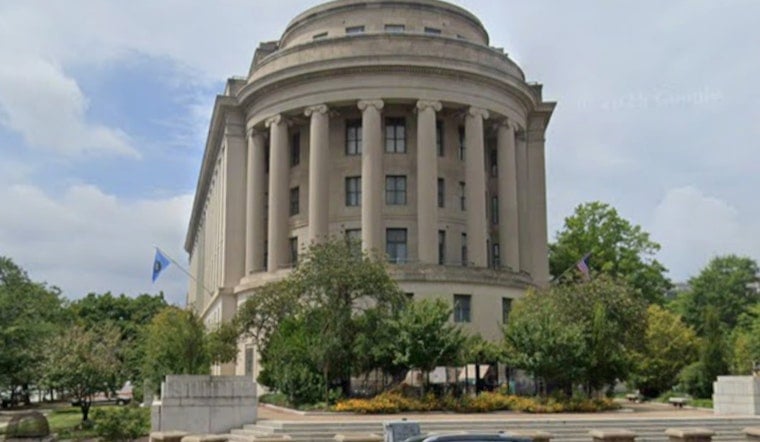
Scammers are masquerading as Federal Trade Commission officials and hitting people by phone and text, pushing targets to move money fast. They are not just winging it, either. The callers and texters are sending fake photos of employee badges and inventing bogus “verification” steps, then turning up the pressure so victims authorize payments that are tough or impossible to undo.
In a June 3 consumer alert, the Federal Trade Commission described a new “refund and recovery” twist and warned people not to trust anyone who claims they can claw back money from a past scam, then demands more cash. According to the Federal Trade Commission, real staff will not text or message you and then ask you to move money, and a genuine employee will not send a badge photo as proof of identity. The agency is urging anyone who gets one of these contacts to report the impersonator and, if they already paid, to try to cancel or reverse the transaction right away.
Local reporting has shown just how polished the scheme can look. As WISH-TV reports, some callers have spoofed the FTC’s own phone number and used the names of real agency employees to sound legitimate, then steered people into sending money instead of protecting their accounts. Those field reports line up with the complaints the Federal Trade Commission has been logging from consumers nationwide.
How the con works
The pitch usually starts with an unexpected phone call, text, or social media message claiming that an FTC “agent” can help recover money you already lost to a different scam. The hook comes quickly: the impersonator says you have to transfer funds or share banking details to secure the supposed refund.
The Federal Trade Commission warns that these scammers often push people to pay by wire transfer, gift card, cryptocurrency, or a payment app, since those options are difficult to reverse once the money is gone. If you did pay, the agency says to contact your bank, card issuer, or payment provider immediately and try to stop or claw back the transfer.
Why it matters
Government imposters are not running small-time cons. They are a big slice of one of the costliest fraud categories the country is seeing. According to BleepingComputer, the Federal Trade Commission tallied about $3.5 billion in reported losses to imposter scams in 2025, and scams that mimic government agencies account for a substantial share of that damage.
What to do if you are targeted
If a message or caller says they are from the FTC and you were not expecting it, hang up, delete, and do not use any phone numbers or links they provide. Instead, look up the agency’s official contact information yourself and verify independently.
Victims are urged to file a complaint with the FBI's Internet Crime Complaint Center, contact their bank or payment service to attempt a reversal, and notify local law enforcement if money was lost. Keep anything that documents what happened, including screenshots, call logs, and copies of fake badges or paperwork, so investigators have evidence to work with.
Scammers are getting better at sounding like the real deal, so treat any sudden demand for payment as a warning sign and slow the conversation down. Reporting these encounters helps authorities spot repeat operations and, in some cases, improves the odds of getting stolen money back.





