

























































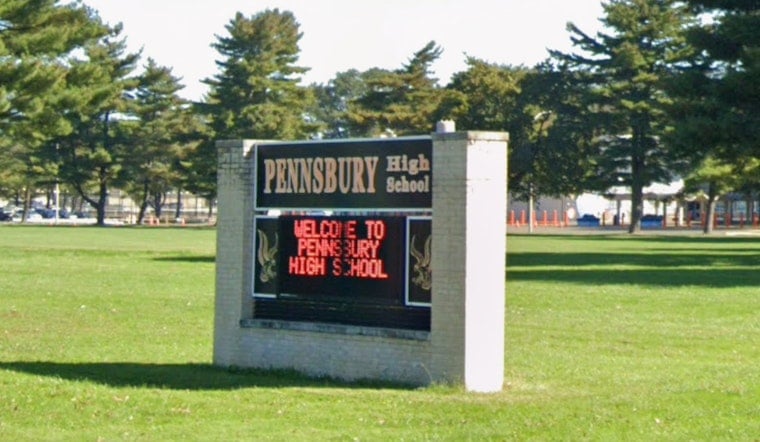
A standing-room crowd packed into Pennsbury High School East on Tuesday, grilling township leaders and company representatives about the Amazon data center now rising on the former U.S. Steel Fairless Works site. Neighbors said they were surprised the project had gotten so far along and pressed for answers on air quality, noise, water use and whether the campus will strain local utilities. The town hall followed weeks of protests and a petition drive that organizers say has drawn thousands of signatures.
According to the Pennsylvania Department of Environmental Protection, the agency convened the July 14 community meeting and invited presentations from Amazon, developer NorthPoint, Williams and PECO before opening a question-and-answer session. The DEP also notes that a plan approval application tied to the site has been submitted and that the public comment period on Minor New Source Plan Approval No. 09-0261A will run for 30 days after the draft decision is published in the Pennsylvania Bulletin.
As reported by LevittownNow, petition organizer Amanda Westerman said more than 3,800 people had signed a petition opposing the project, and dozens of residents have staged protests at township meetings. Residents told supervisors they want a pause on further approvals, enforceable noise limits at the property line and clearer information about how much water and power the facility will use.
Permits and generator plans
The state notice in the Pennsylvania Bulletin lists Plan Approval No. 09-0261A for Amazon Data Svcs Inc. at 600 Ben Fairless Drive and describes an application to install 280 natural gas‑fired critical emergency generators with add‑on emission controls and three ancillary diesel‑fired generators. The Pennsylvania Bulletin contains that filing, while township environmental advisory committee minutes cite an earlier planning note that referenced 72 diesel‑fired emergency generators at the same 600 Ben Fairless Drive address, an apparent discrepancy residents flagged at the meeting. Falls Township EAC minutes and the state notice currently list different engine counts, which has fueled confusion about what equipment will ultimately be permitted and how emissions will be controlled.
Residents press Amazon and PECO
During the town hall, residents repeatedly pressed company and utility representatives about potential impacts on air quality, drinking water and electricity bills, at times cutting into presentations and applauding speakers who demanded tighter safeguards. As 6abc reported, Amazon representatives said the company meets public health requirements, but some attendees said the responses fell short. Video and local coverage captured tense exchanges and calls for a moratorium, while Fox29 showed residents demanding clearer emergency plans and more transparency about how the facility would operate in a crisis.
Supporters argue the campus reuses a brownfield industrial site and brings jobs and local donations, while opponents point to possible long-term costs and lingering questions about needed utility upgrades. Lower Bucks Times reported that Amazon has seeded a $150,000 community fund for local groups even as critics circulate a petition and push for stricter limits. The clash mirrors wider tensions across Pennsylvania over the surge in data centers, the strain on the power grid and whether nearby communities get protections that are actually enforceable.
Public comment and next steps
The state notice says the public comment period begins when the Pennsylvania Bulletin publishes the draft decision and that comments can be submitted to [email protected]. DEP will also make permit materials available on request. Per the DEP, members of the public may request a copy of the plan application and ask the agency to hold a hearing if they provide a compelling basis for one.
The Falls Township standoff lays bare the tradeoffs that come with massive AI and cloud campuses: significant investment and a relatively small permanent workforce on one side, and worries about pollution, water use and higher utility costs on the other. With permits moving through the system and comment windows opening, residents and local officials will be watching to see whether the regulatory process delivers firm, enforceable rules or whether construction races ahead of the safeguards people are demanding.





