

























































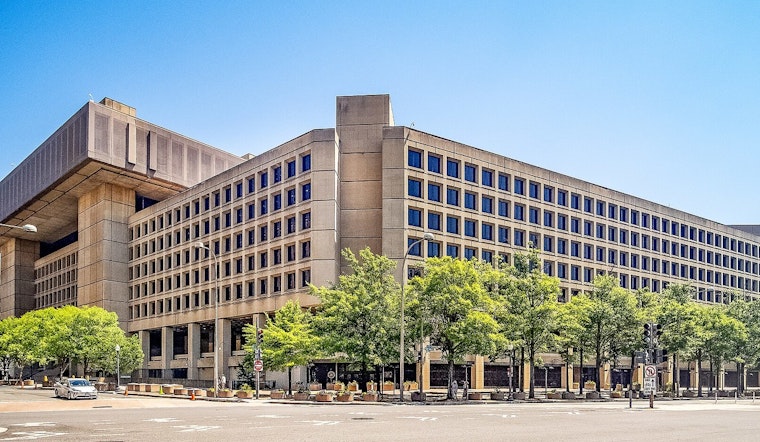
The F.B.I. has quietly told field managers in recent days that it will stop opening assault-on-a-federal-officer investigations that involve immigration agents, according to reporting that has rattled Washington. The internal notice, described by people familiar with the briefings as a written directive to field offices, would shift those initial reviews away from the bureau and over to components inside the Department of Homeland Security. Civil-rights groups, state prosecutors and community leaders warn that such a change could shrink independent scrutiny of deadly encounters involving ICE officers.
What reporters say
The account, first published in The New York Times and echoed by national outlets, was summarized in reporting from CNBC, which said F.B.I. managers around the country received a written notice this week and that some ICE agents were alerted by their F.B.I. counterparts. The guidance, as described to reporters, would end routine F.B.I. reviews of alleged assaults on immigration officers and hand the initial work to Homeland Security Investigations. Advocates say the practical result would be to narrow an independent federal check on use of force by immigration agents.
Justice and homeland security officials have publicly pushed back. In a joint statement, quoted in news coverage, the departments said, “F.B.I. will continue to investigate in accordance with agency policy.” That denial has not settled the gap between the internal briefings described to reporters and what the agencies are telling the public. Field offices have reportedly been told to wait for additional guidance while investigations already under way continue.
What would change
Under the arrangement described to reporters, responsibility for initial assault-on-a-federal-officer inquiries would likely move from the F.B.I. to Homeland Security Investigations, known as HSI. The U.S. Justice Manual designates the F.B.I. as the primary investigator for assaults on federal officers, a long-standing jurisdictional rule that creates an independent federal review in sensitive cases, as outlined in the U.S. Justice Manual on investigative jurisdiction. Former federal investigators and civil-rights experts have warned that HSI does not have the mandate or routine practice of leading civil-rights use-of-force prosecutions, a concern explored in earlier reporting by The Marshall Project.
Local fallout
The dispute is already playing out on the ground. In Houston, where an ICE agent fatally shot Lorenzo Salgado Araujo during a July 7 traffic stop, the U.S. Attorney’s Office said federal investigators were reviewing the case and community members staged large demonstrations. The U.S. Attorney’s Office for the Southern District of Texas called for a careful probe in a public statement, while local coverage captured vigils and growing calls for an independent inquiry. See local reporting for scene details and neighborhood reaction in Houston Canal Street stop turns deadly and the U.S. Attorney’s statement online.
Two shootings and a pause
Six days after the Houston killing, a second fatal encounter in Biddeford, Maine, intensified pressure on the agencies and prompted leadership to pause most vehicle stops during enforcement operations while tactics are reviewed. News organizations report that the pause came as federal and state authorities opened parallel inquiries into both incidents and as advocates pressed for independent reviews. Outlets including Reuters and other national press accounts have tracked how the two shootings have focused attention on whether federal investigatory roles should change.
Legal questions
Lawyers and former investigators say the policy shift, if it takes effect, raises immediate accountability questions. If F.B.I. field offices stop opening assaults-on-federal-officer inquiries, civil-rights prosecutions that once relied on evidence gathered by the bureau could become harder to bring, advocates argue. Legislators have already demanded briefings, and some members have urged inspector-general or congressional oversight, with senators and representatives likely to press the Justice and Homeland Security Departments for a clear, public description of any new assignment rules.
For neighbors and local leaders, this is not a theoretical fight. Who investigates an ICE shooting often determines whether an incident is reviewed by an independent federal law-enforcement agency or handled inside the department that employed the officer. Both departments say their relationship on these investigations has not changed, but reporters, lawyers and community groups will be watching to see whether internal guidance in field offices turns into new practices or new guardrails. Expect further updates from the Justice and Homeland Security Departments, and possibly hearings, in the days ahead.





_b.jpg)