

























































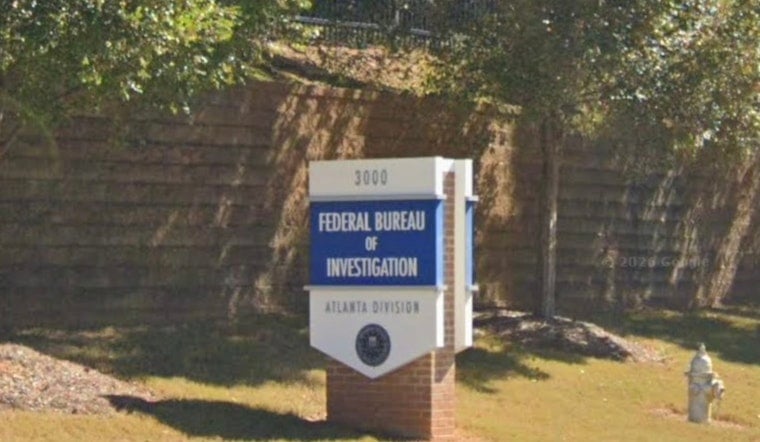
Back-to-school photos are usually a proud-parent ritual, but the FBI says they can also hand strangers a surprising amount of information about a child. As students return to classrooms across Georgia, the bureau’s Atlanta field office is warning families about online images, sextortion schemes and hoax school threats. The common thread is simple: small digital details can create very real safety problems.
Special Agent in Charge Marlo Graham outlined the three concerns in an interview with Atlanta News First. She urged parents to look beyond the image itself and consider what a stranger could learn from a backpack logo, a school sign, a house number or a child’s daily schedule.
That First-Day Photo Can Map A Child’s Routine
The FBI’s online safety guidance warns that photos can reveal location data, timestamps and patterns of life even when a family never directly posts an address. A photo outside the house, a video of a child boarding a bus or a classroom snapshot can expose school names, grade levels, street signs and predictable routines. Graham’s advice, as reported by Atlanta News First, was blunt: “The No. 1 thing parents should do is they should lean in.”
The FBI’s Atlanta office recommends checking privacy settings, removing school and address identifiers from photos, choosing neutral backgrounds and enabling parental controls that limit chats and live-streaming features. Parents should also ask children what they are posting and who can see it, rather than assuming a private account is a permanent force field.
Georgia’s Sextortion Losses Stand Out
The warning comes as online predators continue targeting children through social media, messaging services and gaming platforms. According to figures cited by Atlanta News First, Georgia recorded about $3 million in losses tied to sextortion cases involving children in a single year, out of roughly $13 million nationwide.
The FBI’s sextortion guidance says offenders often pretend to be a child or peer, persuade a victim to send an explicit image and then threaten to share it unless the victim sends more material or money. The bureau says boys make up most reported victims in these cases, though any child can be targeted, and shame often keeps victims from asking for help.
A Hoax Threat Is Still A Crime
The FBI is also warning students not to create, forward or repost threats against schools, even as a joke or inside a private group chat. The bureau’s Atlanta community outreach guidance says threats sent through social media, text or email can be treated as federal crimes, and law enforcement responds as though each one could be real.
Making a hoax threat can be a felony, while forwarding one can also expose a person to criminal charges, according to the FBI. Investigators can trace submissions and identify repeat offenders, so a message that feels temporary online can create a very permanent record offline.
If a child is being threatened or exploited, the priority should be safety—not punishment or embarrassment. Suspected sextortion can be reported through the IC3 reporting portal or by calling 1-800-CALL-FBI, and the FBI says children should be encouraged to tell a trusted adult as soon as something feels wrong.



