

























































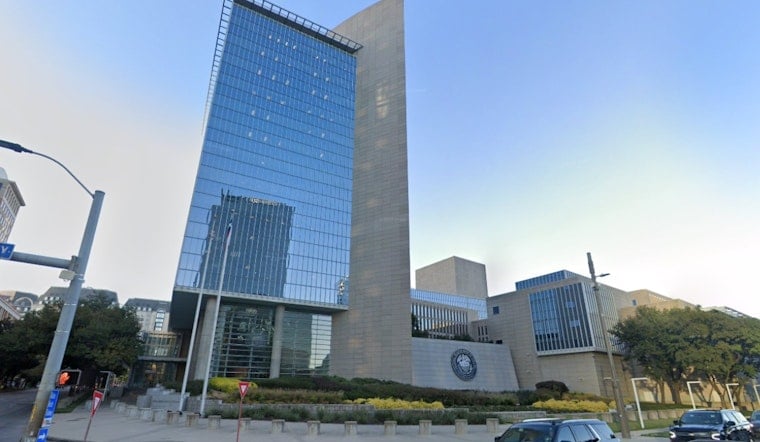
Fort Worth finally has its own set of official bragging rights. The Federal Reserve Bank of Dallas has rolled out the first economic indicator focused solely on Fort Worth, carving the city out of Dallas-focused data and putting its growth story on a dedicated scoreboard. The debut report shows jobs still climbing, unemployment holding steady, and housing demand easing slightly, a mix that points to a local economy in the middle of a major transition.
Dallas Fed Launches a Fort Worth-Only Indicator
On Monday's announcement, the Federal Reserve Bank of Dallas said it will publish Fort Worth economic indicators every other month so analysts can track the city’s growth on its own terms. Vice President and Senior Economist Pia Orrenius summed up the shift this way: "Fort Worth has experienced a surge of population and economic growth, broadening its economic base while maintaining its unique strengths in energy, transportation and distribution, and manufacturing."
What the Report Finds
The inaugural release shows employment in Fort Worth rising at an annualized 1.6 percent in May after a 2.6 percent gain in April, with job growth for the three months ending in May running at 3.4 percent. Unemployment was unchanged at 4.0 percent in May, a touch below the Texas rate of 4.3 percent. The report also notes that manufacturing and trade, transportation and utilities account for a larger slice of Fort Worth jobs than they do in Dallas or in the state overall. According to the Federal Reserve Bank of Dallas, the average nominal hourly wage came in at $37.23 in May, up 3.4 percent from a year earlier, while the median home sales price was $355,000, roughly flat compared with the same month last year.
Local Leaders Point to Big Deals
Economic development officials say the timing of the new series is no accident, pointing to a run of headline projects reshaping the city’s jobs base. The Fort Worth Economic Development Partnership credits its efforts with helping attract about 11,000 jobs and nearly $9.7 billion in capital investment. CEO Robert Allen told the Fort Worth Report that this is more proof that Fort Worth is on the move. The Fort Worth Star-Telegram has also highlighted expansions by MP Materials and planned facilities from Wistron as part of the recent surge in activity.
GDP Growth and Industrial Heft
Independent rankings cited by Fort Worth Inc. show Fort Worth’s GDP climbing roughly 36 percent between 2019 and 2023, a run powered in part by export growth and gains in education. That broader expansion helps explain why the city’s share of manufacturing and trade jobs now tops both Dallas and the Texas average, structural advantages that the new Dallas Fed indicator is set to track over time. Local officials argue that clearer, city-specific data can sharpen recruitment pitches and guide infrastructure decisions across Fort Worth’s logistics and manufacturing corridors.
What to Watch Next
The Dallas Fed plans to update the Fort Worth indicator bimonthly, giving planners, employers and residents a more frequent look at changes in housing demand, labor markets and transportation needs. Analysts say the separate Fort Worth series will be especially useful for gauging whether today’s marquee investments turn into lasting wage growth and wider economic opportunity across the city’s neighborhoods.





