

























































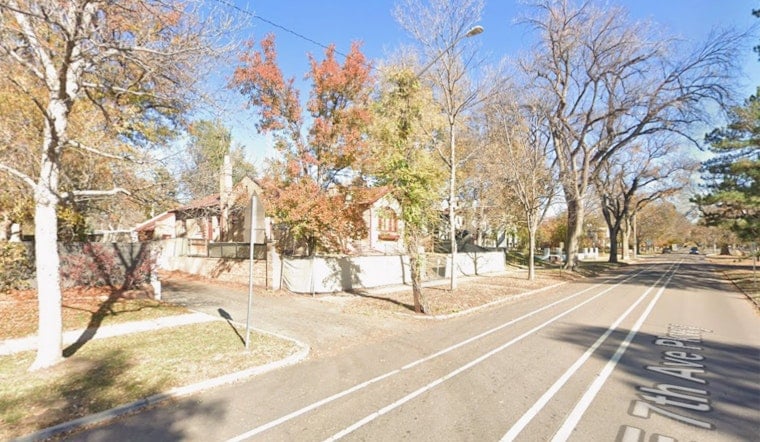
On Denver's leafy 7th Avenue Parkway, neighbors say they might finally have the leverage to deal with the long-vacant eyesore they call the "Poop House." After years of stalled renovation, complaints, and side-eye from passersby, the city has tightened its rules on neglected and derelict properties, giving residents fresh hope that this notorious address could soon be knocked off the city's problem list.
The updated rules broaden what qualifies as a neglected or derelict property and expand the city's enforcement tools, including larger civil penalties and the power to order security measures and fencing, according to Denverite. As of April, the city had about 285 properties on its neglected-and-derelict list, and supporters of the overhaul say the tougher standards should help speed up enforcement. City planners met with neighbors this week to walk through how inspectors will put the new tools to work.
The landmark home that earned the "Poop House" nickname has become a symbol of the larger problem, drawing a steady stream of complaints and even an unusual protest where residents lobbed sealed dog-waste bags onto the front steps, CBS Colorado reported. Planners told neighbors that the updated code now lets the city require owners to submit a compliance plan and gives staff more authority to demand security or abatement, with civil penalties available if owners fail to act. Officials noted that the changes were approved by the City Council last year and are meant to speed repairs and cut down on public-safety calls tied to problem properties.
How the rules work
Under the council's draft ordinance, which the City Council approved last year, owners who receive a notice must submit a remedial plan. If they do not, the manager may order abatement, require installation of fencing or no-trespassing signs, or seek the appointment of a receiver to rehabilitate the property, according to the Denver City Council bill. The measure also outlines inspection schedules and gives staff authority to assess fees and pursue civil penalties when owners refuse to cooperate. Those enforcement steps are designed to let the city intervene quickly on unsafe properties or chronic rule breakers.
Neighbors cautious but hopeful
People living around the "Poop House" say they are cautiously optimistic that the new approach will finally force movement, but they are not ready to declare victory yet. "The only thing that's ever got the city's attention is the poop," one neighbor told CBS Colorado, summing up years of frustration with a dose of dark humor. Residents say they plan to keep calling 311 and working with planners until they see either real construction activity or formal remediation on the property.
What to watch next
The new rules will require more staff time to enforce, and Denver's planning department has said it may ultimately need additional positions to run the program, according to Denverite. Officials are urging residents to report suspected neglected properties through 311, and the first round of cases under the tougher standards will test whether the policy can actually shorten the lifespan of long-running neighborhood eyesores. If the city moves quickly on enforcement, neighbors say they could start to see visible progress at the "Poop House" within weeks.





