

























































The United States just took a big step toward bringing back civil supersonic travel over land, and the L.A. - New York corridor is sitting front row. On June 30, 2026 the Federal Aviation Administration rolled out a proposal that would end the six-decade ban on civilian supersonic flight over U.S. territory and replace it with a new performance-based noise standard. If aircraft makers can prove their jets keep sonic booms from hitting the ground, future coast-to-coast trips could get a lot shorter.
What the FAA proposed
The agency's Notice of Proposed Rulemaking, titled "Enabling Supersonic Overland Flight," would scrap the 1973 speed-based restriction and swap it for an interim en-route certification focused on how loud the shock waves are at ground level, according to the FAA. Under the proposal, both primary and secondary sonic-boom overpressure at the surface could not exceed 0.11 pounds per square foot (psf). Manufacturers would have to show they meet that limit through FAA-approved methods that can include advanced computer modeling, acoustic simulations and flight testing. An aircraft certified under this new framework would not need a special flight authorization every time it wants to fly supersonic over land. The proposal also spells out the types of methods and tests the agency is willing to accept as proof.
How we got here
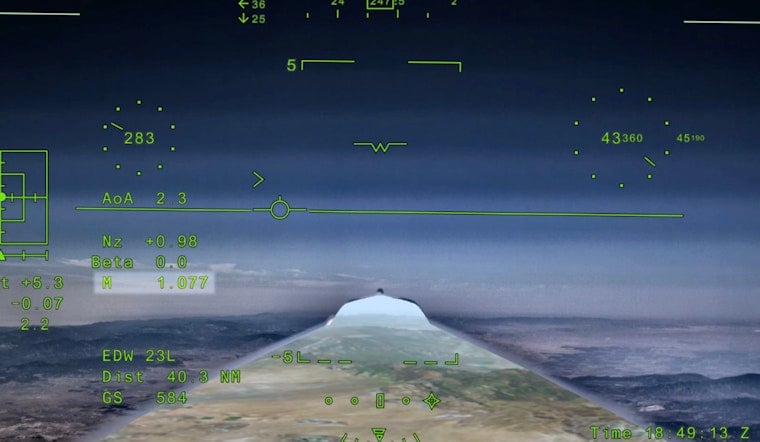
The move did not come out of nowhere. NASA's X-59 demonstrator recently completed its first supersonic flights as part of the agency's quiet-boom research program, and those results helped shape the draft standard, according to NASA. On the political side, Congress has been pushing regulators to modernize the rules as it advanced the Supersonic Aviation Modernization Act (H.R. 3410), which would require updated regulations, per Congress.gov.
Who is building the jets
The prospect of legal overland supersonic travel has startups and legacy manufacturers scrambling for position. Boom Supersonic has public agreements and deposits from airlines and is pitching its Overture aircraft as a next-generation airliner. Boston-based Spike Aerospace and other companies are working on smaller quiet-boom business jets. Industry material and some media coverage have floated eye-catching numbers, including talk of LAX-JFK flights in roughly two hours, although those claims depend heavily on cruise profile, routing and how certification ultimately shakes out, as one recent writeup noted.
Noise, climate and community questions
Not everyone is cheering. Environmental researchers warn that supersonic designs typically burn more fuel per passenger than conventional jets, which raises alarms about CO2 and high-altitude NOx emissions unless sustainable aviation fuel or new engine technology are widely adopted, according to analysis from the International Council on Clean Transportation. Community groups and local planners are also eyeing the fine print, particularly whether a performance-based rule will actually prevent noticeable booms over busy corridors and what happens with noise on takeoff and landing. For now, the proposal focuses on en-route sonic-boom standards, leaving separate landing and departure noise rules to follow.
Timeline and what comes next
The proposal kicks off a public comment period that is likely to be crowded with technical arguments and legal positioning. The FAA says it plans to finalize the interim en-route standard and separate landing and takeoff noise rules by mid-2027, according to the FAA. Before routine overland supersonic flights can happen, manufacturers will need an FAA-approved method of compliance that blends modeling, sensors and flight demonstrations.
What it means for Los Angeles and New York
For travelers in Los Angeles and New York this is the first concrete sign that ultra-fast coast-to-coast service could someday move from fantasy to premium fare option. LAX and JFK could see new route economics if supersonic aircraft start flying regularly, but there are plenty of hurdles. Analysts point out that aircraft certification, airport compatibility and environmental regulations will decide whether such flights become a novelty or part of the schedule. Local officials and airport operators in both regions will have to weigh the lure of high-end, time-saving service against the inevitable noise complaints and climate scrutiny as the rule moves through review. Aviation outlets have stressed that the proposal is a starting gun, not a signed-and-sealed service announcement, and that the follow-on certification and infrastructure decisions will be crucial.
The FAA's plan offers the clearest path yet back to routine supersonic travel over land, but it leaves big questions hanging. Expect months of dense technical filings, legal challenges and noisy planning meetings before anyone actually taps their phone to book a two-hour transcontinental hop between L.A. and New York.




