

























































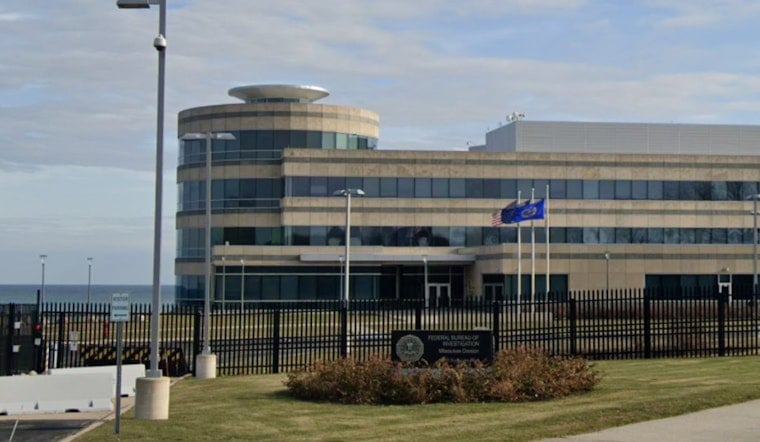
Federal prosecutors have hit Milwaukee resident Edgardo Rivera, 37, with a 16-count indictment following what authorities describe as a multi-agency investigation. A state search warrant at his home reportedly turned up cash, cocaine, methamphetamine pills, a handgun and multiple cellphones, according to law enforcement. The case was filed in the Eastern District of Wisconsin and charges Rivera with distribution of controlled substances, conspiracy to distribute and illegal use of a communication facility.
Indictment and alleged evidence
According to a Milwaukee Police Department Facebook post, Rivera is facing 16 federal counts in the Eastern District of Wisconsin. The charges include distribution of controlled substances, conspiracy to distribute and unlawful use of a communication facility. The department said the indictment stems from an FBI-led probe by the Milwaukee Area Safe Streets Task Force and that, based on court records, a state search warrant at Rivera’s residence recovered cash, cocaine, methamphetamine pills, a handgun, multiple cellphones and drug-packaging materials.
Task force and multi-agency work
The investigation falls under ongoing Safe Streets operations that pair FBI special agents with task-force officers from local and county departments to focus on drug and violent-crime networks. The FBI’s Milwaukee office has described similar takedowns that yielded kilograms of narcotics, dozens of firearms and multiple arrests in recent sweeps, according to FBI Milwaukee.
What the charges mean
The distribution and conspiracy counts carry significant potential federal penalties, with exposure that depends on the specific drugs and quantities ultimately alleged in court. The illegal-use-of-a-communication-facility statute makes it a separate federal offense to use phones or other communications tools to facilitate drug crimes, and courts have at times treated individual calls or texts as distinct counts under that law. For more detail on that statute, see Cornell Law School's LII and the Department of Justice brief in Abuelhawa v. United States.
Local context and next steps
An indictment is a formal accusation, not a finding of guilt, and Rivera remains presumed innocent unless and until prosecutors prove otherwise in court. If charging documents are unsealed, the case will move to arraignment and then into the standard federal pretrial phase, where prosecutors and defense counsel exchange evidence and argue over whether the defendant should remain in custody or be released. Recent Safe Streets cases in the region have ended with federal convictions and multiyear prison terms; in one recent case, a Milwaukee defendant received 11½ years in federal prison.





