

























































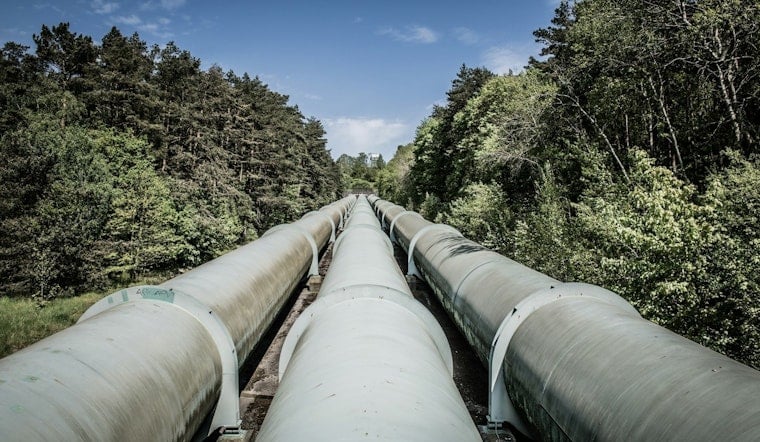
The Bureau of Land Management on Thursday signed off on a plan that would let Cadiz Inc. repurpose a long-buried pipeline to carry groundwater out of the Mojave Desert toward urban markets, including Los Angeles. The federal authorization, requested by a Fenner Gap Mutual Water Company subsidiary, marks the latest federal step in a project that has been years in the making. Tribal leaders and conservation groups say the decision puts rare desert springs and fragile habitat on the line.
As reported by the Los Angeles Times, the Bureau of Land Management released documents saying the pipeline conversion "will not significantly affect" the environment. The paper quoted Cadiz chair and CEO Susan Kennedy calling the action a "pivotal milestone" and cited company filings that envision seven pump stations, three of them on federal land. Critics told the Times the move revives a long-controversial plan they argue would dry up springs that sustain wildlife and Tribal cultural sites.
What the BLM Authorized
The Bureau of Land Management NEPA project page for DOI-BLM-CA-D090-2025-0018-EA shows the agency signed a Finding of No Significant Impact and a decision on July 8, 2026, to allow conversion of roughly 155 miles of the Northern Pipeline for water conveyance. The listing describes the Northern Pipeline as a buried 30-inch steel pipe running from Cadiz's property near Amboy north toward Mojave and notes that the route would cross about 53 miles of BLM-managed land and more than 17 miles of Department of Defense land. The Needles Field Office is listed as the lead, and Fenner Gap Mutual Water Company is the applicant.
Cadiz, Partners and Financing
Cadiz has been lining up political and financial backing. The company announced a May funding agreement with the U.S. Bureau of Reclamation to support technical and regulatory review of the Mojave Groundwater Bank, and San Bernardino County approved a joint-powers agreement with Fenner Gap this spring, according to county records and Cadiz. Cadiz’s public filings and investor materials describe the Mojave Groundwater Bank as a conjunctive-use storage project that could deliver tens of thousands of acre-feet per year to participating agencies over decades, according to the company’s SEC filing. The company says the BLM decision moves construction plans forward after a long regulatory review.
Opposition and the State Check
Conservation organizations and Tribal nations counter that federal sign-off does not erase the project’s broader risks. They point to springs around Mojave Trails National Monument as both ecologically and culturally critical, according to the National Parks Conservation Association. At the state level, Gov. Gavin Newsom's 2019 signing of SB 307 put another gate in the way: the law requires the California State Lands Commission to find that any major Mojave water transfer will not harm natural or cultural resources before water can be moved off the desert, per the Office of Governor Gavin Newsom. That review is a separate legal checkpoint the company still has to clear.
Legal Path and What’s Next
The project has already been through a legal rodeo, and that history is unlikely to stay in the past. Advocates previously sued to vacate earlier federal approvals, and courts ordered remands and vacaturs, according to Earthjustice. That track record, along with expected new challenges from Tribes and conservation groups, makes more courtroom battles likely if Cadiz moves into construction.
For now, the BLM sign-off advances one key permit but does not mean Mojave water is about to start flowing to Southern California taps. Whether the project actually proceeds will hinge on state review, any conditions imposed by agencies, and how the courts and Tribes respond in the weeks and months ahead.




