

























































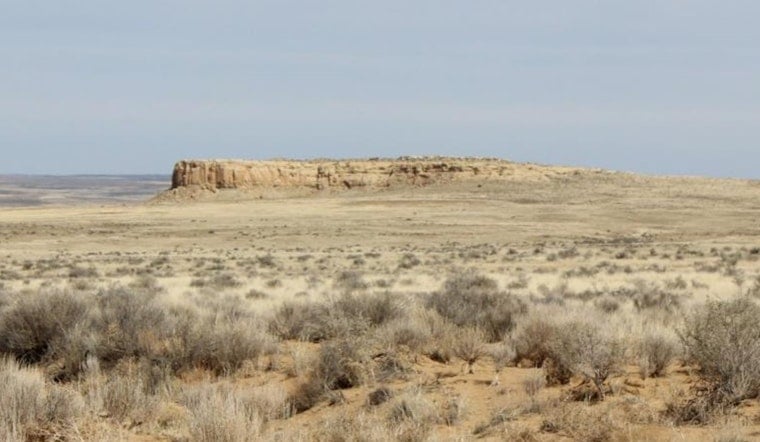
The Bureau of Land Management has kicked off a 14 day public comment sprint on a draft environmental assessment that could undo the 10 mile mineral withdrawal around Chaco Culture National Historical Park, potentially reopening about 336,000 acres to oil, gas and other mineral leasing. Tribal leaders, New Mexico lawmakers and conservation groups responded almost instantly, blasting the short timeline as a blow to meaningful government to government consultation and warning that archaeological inventories are still not complete. Public comments on the draft EA are due July 29.
What the BLM is proposing
According to the Bureau of Land Management, the draft environmental assessment lays out three options. One would keep the existing 10 mile withdrawal in place. Another would revoke it entirely and reopen about 336,404 acres to new mineral leasing. A middle path would scale back protections outside a 5 mile buffer around the park. The Farmington Field Office is leading the review, and the agency says it will weigh public input before making a final call. The draft EA and instructions for submitting comments are posted on the BLM National NEPA Register.
How the 10 mile buffer came to be
The 10 mile mineral withdrawal was created in June 2023 by then Interior Secretary Deb Haaland after a lengthy review meant to safeguard thousands of archaeological and cultural sites across the Chaco region, according to the Department of the Interior. That decision closed roughly 336,404 acres to new mineral leasing for 20 years and followed in person tribal consultations and a multi month public comment period. Supporters said the move protected an expansive cultural landscape beyond the park itself. Critics of the new proposal argue that reversing the withdrawal now would unravel ongoing work to document and protect outlying sites.
Tribal leaders say the review is incomplete
All Pueblo Council of Governors Chairman Joey Sanchez has accused the agency of sidelining Pueblo perspectives and charging ahead without a full cultural inventory. "The Department is proposing to remove protection from a place it admits it has not finished looking at," Sanchez said in remarks highlighted by the Center for Western Priorities. Pueblo leaders and tribal preservation advocates warn that many Chaco era outliers lie outside the park boundary and would be newly exposed to leasing if the withdrawal is revoked.
New Mexico lawmakers push back
New Mexico’s congressional delegation has publicly criticized the accelerated review schedule, calling the process rushed and pressing for more robust consultation with tribal nations. In an April statement, the delegation said short notice and tight comment windows are unacceptable for decisions that touch sacred places. At the same time, lawmakers have reintroduced legislation aimed at permanently protecting the Greater Chaco landscape while the administrative review plays out.
Conservation groups mobilize
Archaeologists and preservation groups are urging the BLM to slow down and expand its analysis, arguing that the draft EA leaves important questions unanswered. Archaeology Southwest has described the situation as urgent and called for stronger protections for the region. The Southern Utah Wilderness Alliance and allied organizations have scheduled a Monumental Day of Action on July 20, with rallies in Salt Lake City, Provo, Bountiful, St. George and Moab to protest recent public lands rollbacks.
What the draft analysis estimates
Reporting on the draft EA indicates the agency’s analysis estimates that revoking the withdrawal could generate the equivalent of more than 2.2 million barrels of oil over the next 20 years, while concluding that new coal or uranium mining in that period is unlikely. That relatively modest energy forecast has sharpened the fight over whether the potential production justifies opening a culturally sensitive landscape to new leasing. Opponents argue that even limited development could inflict irreversible damage on sacred sites, degrade air quality and strain nearby communities.
Legal and legislative stakes
The stakes are not just academic. Reporting shows the Navajo Nation filed suit in January 2025 challenging the withdrawal, arguing that the federal government had failed to adequately consult and to assess economic impacts. Later coverage indicates the case was dismissed following an out of court resolution. Meanwhile, New Mexico’s delegation has continued to pursue both administrative and legislative strategies to lock in long term protections. Any move the agency ultimately makes is widely expected to trigger fresh legal and political battles, raising the odds of a drawn out fight regardless of the BLM’s final decision.
How to weigh in
The BLM is accepting written comments through the NEPA register’s "Participate Now" feature, and the public comment period runs through July 29, Mountain daylight time. For the draft EA, submission instructions and contact details, see the agency’s project page and press release linked above.





