

























































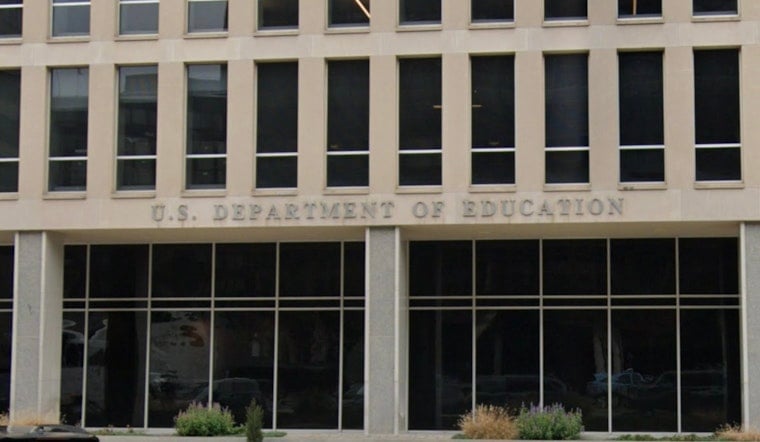
Federal education officials have quietly put three Georgia school districts under the microscope as part of a national push to police how schools handle allegations of staff sexual misconduct. The directed investigations focus on DeKalb County, Richmond County and Savannah-Chatham County and were disclosed this week as part of a broader review of district reporting and personnel practices. Officials stress that a notice from the Office for Civil Rights is an early, neutral step, not proof that anyone has broken the law.
On July 10, Secretary of Education Linda McMahon said the Office for Civil Rights had opened 20 of these directed investigations after reviewing 2023-24 Civil Rights Data Collection submissions, according to a U.S. Department of Education press release. The department said it will look at whether districts accurately reported allegations, took real steps to prevent "passing the trash," and conducted meaningful investigations under ESEA and Title IX. A copy of the district list the department supplied to reporters was published by ProPublica.
Which Georgia Districts Are Under Review
The three Georgia systems singled out on the federal list are DeKalb County, Richmond County and Savannah-Chatham County, according to The Atlanta Journal-Constitution. The paper reported that the notices are among the 20 directed investigations the department flagged based on 2023-24 CRDC submissions. The AJC also published statements from districts saying they intend to cooperate and underscoring that an OCR investigation does not mean a violation has already been found.
What “Passing The Trash” Really Means
"Passing the trash" is the blunt term for what happens when a district moves along, reassigns or otherwise enables staff accused of sexual misconduct to keep working with students elsewhere instead of fully investigating or reporting the allegations. K-12 Dive reported that the Education Department’s July guidance flags certain bargaining agreements and incomplete reporting as potential enablers of the practice and warns districts they could lose federal funding if they do not clean it up. The initiative follows earlier reporting by KQED and ProPublica that documented gaps in credentialing and district reporting that allowed some accused educators to stay in classrooms.
Districts Respond
In DeKalb, the interim superintendent said student safety "is not negotiable," adding that the district follows mandatory reporting laws and will cooperate with federal reviewers, according to The Atlanta Journal-Constitution. Savannah-Chatham similarly told the paper it will fully cooperate with the Office for Civil Rights. The AJC reported that Richmond County did not respond to requests for comment before its story was published. District officials also pointed to confidentiality rules around personnel matters, a reminder that most of this drama will unfold behind closed doors.
Legal Stakes
Under federal law, the Office for Civil Rights enforces Title IX and parts of ESEA that require schools to respond promptly to staff-on-student sexual harassment and forbid deliberate indifference to such claims. The department’s guidance says schools that fail to protect students, hide misconduct or reshuffle accused staff in ways that dodge accountability could face serious enforcement actions, up to and including termination of federal financial assistance, according to the U.S. Department of Education. OCR has also emphasized that these reviews are meant to be neutral compliance checks, not automatic judgments of guilt.
OCR investigations often stretch over months. Investigators typically dig through records, interview staff and review grievance procedures before deciding whether to pursue enforcement or negotiate a resolution agreement. Local officials and parents should not expect a running play-by-play; early stages usually stay quiet, with public updates only if and when the department issues findings, as explained in reporting from KQED. Anyone who believes a school mishandled an allegation can file a complaint with the Office for Civil Rights, and KQED’s coverage points readers to the federal complaint portal and related guidance.





