

























































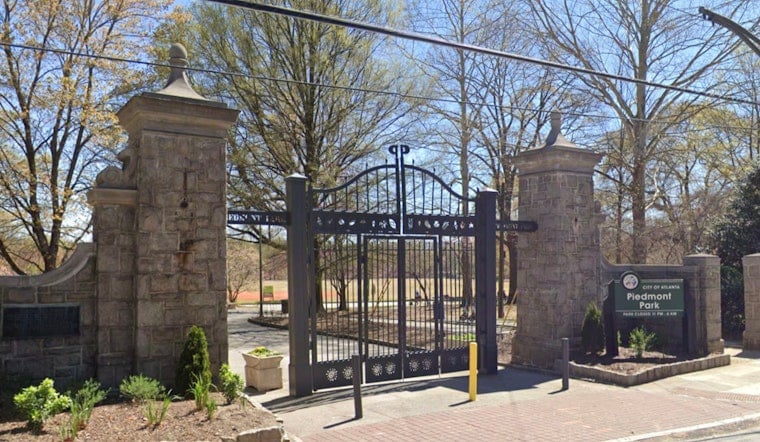
Drone pilots hoping to capture Atlanta’s World Cup watch-party vibes from above are going to be grounded. The Federal Aviation Administration has issued a temporary no-drone zone over Piedmont Park as the city gears up for the FIFA World Cup final watch party. The restriction is meant to support security operations around the city's free festival and will halt recreational and commercial drone flights during a scheduled window above the park. Organizers still expect thousands of fans to pack in for live music, family programming and a giant-screen viewing of the final.
The FAA's temporary flight restriction runs from 10 a.m. to 9 p.m. this Sunday and blocks unauthorized aircraft, including recreational and commercial drones, within a half-nautical-mile radius of the center of Piedmont Park, according to CBS News Atlanta. The notice specifies that aircraft may fly only with specific FAA authorization, and that pilots are responsible for checking active airspace restrictions before every flight. CBS reports that operators who ignore the restriction could face federal enforcement action, civil penalties and possible seizure of their aircraft.
What’s Happening at Piedmont Park
The city is staging "A Celebration of Soccer & Sound" at Piedmont Park from 11 a.m. to 8 p.m., with live performances, a kids’ zone and a big-screen screening of the World Cup final, per the City of Atlanta. The free festival, produced by Showcase Atlanta and ONE Musicfest, is expected to draw large crowds and opens mid-morning to support a full day of programming. Park staff and organizers have asked attendees to RSVP for updates and to plan for heavy foot traffic in and around the Midtown green space.
FAA’s World Cup No-Drone Policy
The Piedmont Park restriction falls under the FAA’s World Cup flight advisory, which sets up temporary "No Drone Zones" around stadiums, fan events and team facilities during match windows, according to the FAA. Those rules typically create wider no-fly buffers for stadiums and a tighter unmanned-aircraft radius around fan festivals, and they outline how operators can request limited, pre-approved flights in support of public-safety missions. NOTAMs and graphics published by the FAA spell out exact dates, times and radii for each site, so pilots are urged to review those listings before taking off.
Enforcement So Far in Atlanta
Federal partners have been actively policing restricted airspace during the tournament, and local coverage indicates enforcement in Atlanta has been significant. WSB-TV reported that authorities seized dozens of drones in the Atlanta area in recent weeks as counter-drone teams monitored match-day perimeters. Officials say some pilots claimed they were working, such as shooting real-estate photos, while others appeared to be trying to snag aerial views of stadiums and crowds.
Legal Consequences for Violations
The FAA warns that pilots who knowingly violate temporary flight restrictions may face administrative actions, civil penalties, criminal prosecution and the seizure or mitigation of their aircraft, as detailed in the FAA advisory. The document also notes that the U.S. government "may use deadly force" against airborne aircraft if a craft is determined to pose an imminent security threat, language that underscores how seriously agencies are treating match-day airspace. Those enforcement tools are intended to discourage risky flights that could endanger crowds or disrupt broadcast and safety operations.
How Pilots and Attendees Should Respond
Drone pilots are being urged to leave their gear at home on match days and to check active NOTAMs before any flight, with officials repeating that skipping those checks risks enforcement and seizure, according to CBS News Atlanta. Attendees should brace for heavier security, restrictions on launching drones from park property and crowded transit hubs. The City of Atlanta recommends using MARTA or arriving early to avoid congestion, per the City of Atlanta. Fans who spot an airborne drone near the festival are advised to report it to on-site security or law enforcement rather than trying to handle it themselves.





