

























































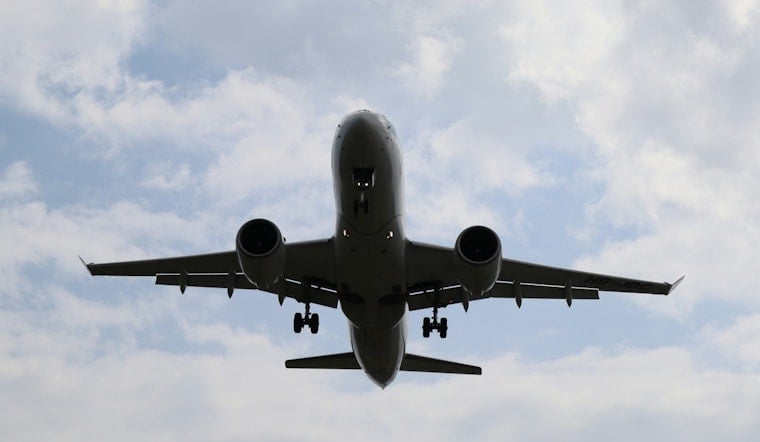
The Federal Aviation Administration is moving from warning shots to hard rules, announcing Wednesday that U.S. aircraft will soon have to carry radio altimeters that can withstand nearby 5G signals. The agency plans to lock the requirement into a final regulation this week, synced with the Federal Communications Commission’s work on new spectrum. The shift is expected to force retrofits on hundreds of planes and could tighten bad-weather operations at major airports for years to come.
FAA issues a final-rule notice
In a statement, the FAA said it will issue a final rule that compels radio altimeters to tolerate interference from 5G signals operating in neighboring spectrum bands. Under the rule, altimeters used in the United States will have to meet "next‑generation performance requirements" before they can be used for certain operations. The agency plans to publish the rule on Friday, July 24, timing it with an FCC Report and Order that, it said, the commission adopted earlier that morning. Regulators describe the equipment changes as necessary to avoid inaccurate altitude data that could ripple into flight‑control and braking systems during approaches and landings.
Why radio altimeters matter
Radio altimeters measure how high an aircraft is above the ground and feed that information to safety‑critical systems used for low‑visibility takeoffs and landings. According to the Federal Register and recent airworthiness directives, strong signals in the 3.7–3.98 GHz band can make altimeter readings unreliable. That bad data can then cascade into other automated systems, which is why operational restrictions tied to these concerns became effective July 1, 2026, the notice shows. Regulators say next‑generation altimeters use improved filters and design tweaks that block the misleading returns that triggered earlier safety alerts.
Billions, deadlines and the FCC auction
Government officials and industry players have been haggling over technical fixes since disputes around the 2022 5G rollout, while the telecom sector prepares for an upper‑C‑band spectrum auction in 2027 as the FCC works to clear and reassign frequencies, according to Bloomberg. The FAA has previously pegged the total undiscounted cost of retrofitting affected aircraft at about $4.49 billion, a figure reported by Bloomberg Law. Translation: airlines and their maintenance shops are staring down a pricey, tight compliance schedule.
What passengers and airlines should expect
Before flight crews can count on radio altimeter data for certain automated flight modes and low‑visibility approaches, airlines will have to prove that their aircraft and installed altimeters meet the new interference‑tolerance standards, the FAA said. Until upgraded equipment is widespread, carriers are expected to keep operating under a patchwork of amended manuals, NOTAMs and airport‑specific operational limits. For travelers, that could translate into more diversions, higher approach minimums and occasional cancellations when the weather turns ugly. The FAA says it has aligned its implementation schedule with the FCC’s order so the industry has a unified timeline as the spectrum transition plays out.
Legal and regulatory next steps
The final rule is slated to appear alongside the FCC’s Report and Order, and the FAA is leaving room for additional back‑and‑forth. The Federal Register notice states that the airworthiness directives are effective July 1 and that the agency will accept comments through August 14, 2026, for the rulemaking record. Aircraft manufacturers, airlines and wireless carriers are now expected to dissect the schedule and press for clarity on testing criteria, cost‑sharing arrangements and potential transition waivers as the calendar marches toward the 2027 auction and the FAA’s compliance deadlines.





