

























































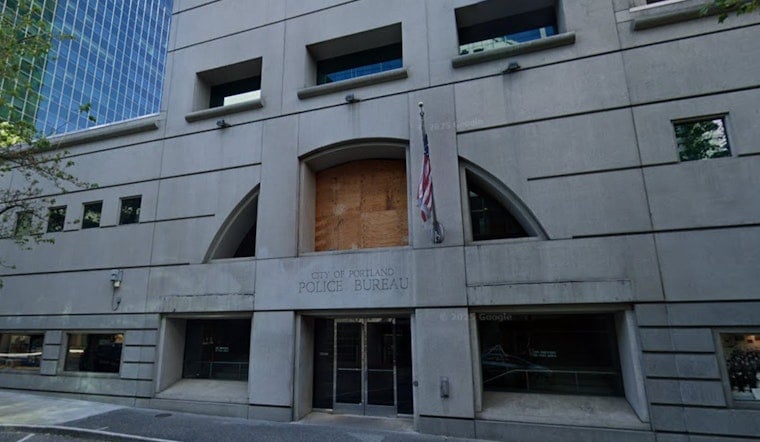
Portland’s police reform project is starting to feel like one of those home renovations that never quite wraps up. Federal lawyers and the court-appointed monitor told a judge Tuesday that the city may need at least two more years to meet key requirements on supervision, body cameras and civilian oversight.
As reported by OregonLive, U.S. Department of Justice attorneys and U.S. District Judge Michael H. Simon agreed that Portland is nowhere near done with the federal settlement that grew out of an investigation into Portland police practices. Simon approved that settlement in 2014, yet the city remains under federal court scrutiny more than a decade later.
Supervisors And Cameras Still Missing The Mark
The latest report from the Independent Court-Appointed Monitor found that police supervisors were falling well short on basic oversight of officers’ use of force. According to the monitor, supervisors carried out required reviews of body-camera footage in only 30% of the audited cases, officers announced that they were recording in 26% and they gave the required explanations for turning cameras off in just 18%.
The findings came from a relatively small audit sample, but the monitor said the gaps were more than minor slipups. The report also noted that Portland police routed deadly-force cases through the training division without evidence that commanders sat down with the officers involved to talk through those reviews, leaving a familiar accountability question hanging: who is actually making sure any lessons reach the street?
The clock may be even less generous than the federal timeline suggests. Catherine Yoon, a DOJ attorney, told the court that “even two years may be a very optimistic timeframe,” according to OregonLive.
Voter-Backed Oversight Board Still Under Construction
One of the biggest unfinished pieces is the civilian accountability system that Portland voters approved in 2020. The new structure centers on a 21-member Community Board for Police Accountability and an Office of Community-Based Police Accountability, yet the city is still recruiting a director for that office, according to the City of Portland.
The community board held its first meeting in February and is expected to oversee investigations, findings and discipline involving Portland police employees. Until the new office is fully staffed and running, though, Portland’s revamped accountability system exists more as a work in progress than a fully functioning watchdog.
In-Custody Death Highlights What Is At Stake
These delays are unfolding against the backdrop of real-world cases that test whether Portland’s reform framework can respond when encounters turn deadly. Damon Lamarr Johnson died in police custody in June 2025 after officers restrained him during a welfare check. The Multnomah County District Attorney later said a grand jury declined to bring criminal charges, and the city’s police bureau said the case would still go through internal review.
The monitor’s report concluded that Portland had reached substantial compliance with most of the remaining settlement provisions. Five areas, however, were still only in partial compliance, including use-of-force supervision, quarterly force analysis, body-camera implementation and the civilian oversight transition. For Portland, the next chapter is less about unveiling fresh reform plans and more about proving that supervisors, cameras and civilian investigators can consistently do their jobs when the public is watching.





