

























































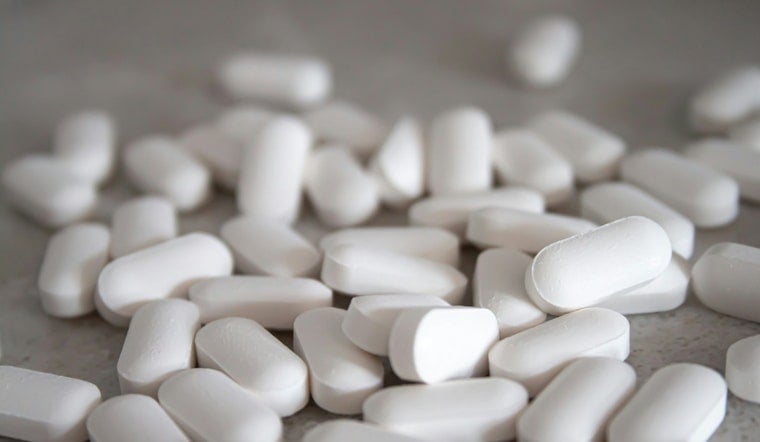
More than 73,000 people in the United States died from drug overdoses in the 12 months ending April 2025, according to provisional federal data, a level officials say is still nowhere near acceptable even as it edges down from 2023 highs. Most of those deaths still involve synthetic opioids, chiefly illicit fentanyl, and many are tied to counterfeit pills that look like prescription medications. Law enforcement and public health agencies keep hammering home the blunt warning that “one pill can kill” even as the national totals show some modest easing.
Provisional counts published and maintained by the CDC’s National Center for Health Statistics track 12 month ending totals and currently put the year ending April 2025 figure above 73,000. Those estimates have also been cited in peer reviewed analyses, including a recent JAMA Network Open paper. Because the counts are provisional and depend on finalized death certificates, public health authorities note that the numbers can still shift as records are completed.
Officials Crank Up ‘One Pill Can Kill’ Warning
State and federal agencies are again turning up the volume on counterfeit pill and fentanyl warnings. In a July 24 post, the Illinois State Police shared federal materials and pushed the #OnePillCanKill tag, according to the agency’s Illinois State Police Facebook page. The Drug Enforcement Administration One Pill Can Kill hub offers fact sheets, graphics and talking points for schools, parents and first responders and stresses that pills bought outside licensed pharmacies may contain a lethal dose of fentanyl.
Fentanyl Still at the Center of the Crisis
Surveillance reports and outreach materials continue to show that synthetic opioids, mainly illicitly manufactured fentanyl, are the dominant driver of fatal overdoses. The CDC’s Fentanyl Awareness materials note that fentanyl has been involved in nearly 70% of recent fatal overdoses and emphasize the particular danger posed by counterfeit pills and mixed drug supplies. That shifting supply, with more fentanyl pressed into pills or blended with stimulants, is why agencies keep urging harm reduction precautions even as overall totals step down from 2023 highs.
What Communities Can Do
Public health and harm reduction advocates are urging communities to carry naloxone, use fentanyl test strips where they are legal and connect people to evidence based treatment such as buprenorphine or methadone. For help locating care, the Substance Abuse and Mental Health Services Administration maintains a national treatment locator at its Substance Abuse and Mental Health Services Administration site, and the Drug Enforcement Administration’s One Pill toolkit lists outreach materials that local groups can adapt. Many local health departments also distribute naloxone and testing supplies and run education campaigns targeted at teens and young adults.
Even as provisional national overdose totals ease off their 2023 peak, officials warn that a single counterfeit pill can still be deadly and say prevention, testing and expanded treatment have to keep happening at the neighborhood level if the trend is going to keep moving in the right direction.





