

























































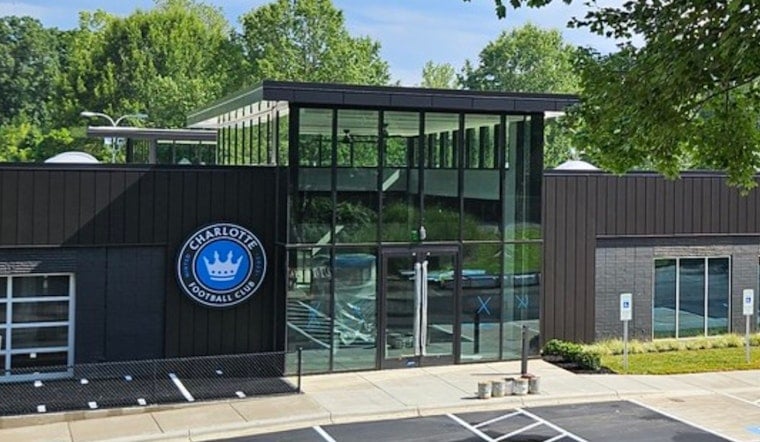
Former Charlotte FC director of community engagement Dustin Swinehart has filed a civil lawsuit accusing Tepper Sports & Entertainment of enforcing one set of rules for men and another for women. In a complaint filed this week, Swinehart says he was terminated in August 2024 after a youth camp incident, while female employees accused of more serious conduct received little or no discipline. He is seeking compensatory and punitive damages under Title VII, along with a wrongful-discharge claim under North Carolina law.
What the lawsuit says
The Mecklenburg County filing alleges that women at Tepper Sports and its affiliates engaged in drunken conduct, used racial slurs and made dishonest public statements, while male employees were disciplined more quickly and more harshly, according to WBTV. The complaint specifically names Nicole Tepper, Tepper Sports CEO Kristi Coleman and Chief Human Resources Officer Kisha Smith as a “powerful female triumvirate” that, it alleges, “had a quick trigger for terminating men and a lenient approach for women.”
Swinehart contends he was fired over an email tied to a youth camp incident and an accusation of insubordination. Those events, the lawsuit states, became the stated grounds for his August 2024 termination and are central to his sex discrimination and wrongful-discharge claims.
Camp email tied to his firing
According to the complaint, Swinehart approved offering a match-day suite to a family after two young brothers briefly wandered away from a youth camp. A subordinate later sent a confirmation email to the family about the suite. That email, the suit says, was later cited as part of the justification for his firing.
Asked by an investigative reporter whether he ever thought that decision might cost him his job, Swinehart replied, “No. Never. Not an instance - I don't know why being kind to someone would lead to that,” as quoted by WBTV. The complaint claims that email and the related allegation of insubordination were used as the formal reason for his dismissal.
His role in local outreach
Before his termination, Swinehart was a prominent figure in Charlotte’s soccer community, overseeing neighborhood engagement and youth initiatives that Charlotte FC highlights as part of its community mission, according to Charlotte FC. Team news materials describe his work on after-school programming and mini-pitch projects, efforts the lawsuit says made his firing especially consequential for the local outreach pipeline.
His attorneys argue that this background underscores their claim that the alleged gender-based double standard harmed not only Swinehart but also the community-facing programs he helped lead.
Links to an earlier Panthers controversy
The complaint also points back to a 2023 controversy involving the Carolina Panthers, another Tepper Sports property. It references a report questioning whether the team had complied with the NFL’s inclusive-hiring training requirement, alleging that internal staff were pressured to help craft a misleading public comment about compliance.
That January 2023 coverage by CBS Sports raised concerns about whether Nicole Tepper and other decision-makers had completed league-mandated training before head-coach interviews. Swinehart’s attorneys point to that episode as an example of how, in their view, the organization handled public messaging in ways that differ from how it disciplined male employees.
Legal implications
Swinehart’s sex-discrimination claim is grounded in Title VII of the Civil Rights Act, which bars employers from treating workers differently on the basis of sex in decisions such as hiring, firing and discipline, according to the EEOC. His North Carolina wrongful-discharge claim faces a narrower path. State courts recognize only a limited public-policy exception to the general rule of at-will employment and require plaintiffs to tie a firing to a clear violation of that public policy.
Courts have described that exception as both limited and heavily dependent on the specific facts, meaning Swinehart’s legal team will need to present evidence that Tepper Sports’s actions ran afoul of established state policy, according to recent analysis on Justia.
What’s next
The case is now pending in Mecklenburg County civil court. Next steps are expected to include additional pleadings and, if the lawsuit survives any early dismissal efforts, a discovery phase that could bring internal documents and witness testimony into the record.
For now, Swinehart’s filing puts workplace culture at one of Charlotte’s highest-profile sports organizations under a legal microscope and could invite more scrutiny if other employees step forward. The court docket will be watched for new filings and any public statements from the parties as the litigation moves ahead.





