

























































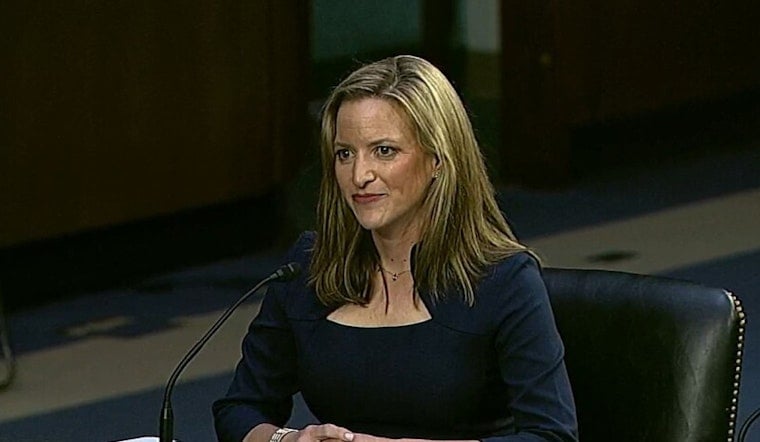
Republican gubernatorial candidate Mike Cox has turned a stalled records request into a courtroom fight, filing a lawsuit in the Michigan Court of Claims that asks a judge to force Secretary of State Jocelyn Benson to turn over documents tied to her past work with the Southern Poverty Law Center. Cox says he submitted a Freedom of Information Act request on April 27 and paid an upfront deposit, but had not received responsive records roughly 11 weeks later. The complaint asks the court to order the materials released before Michigan voters begin casting ballots in the 2026 election.
What the lawsuit says
The suit says Cox requested emails and other communications between Benson, the Michigan Department of State and the SPLC. According to the filing, the department responded with a cost estimate of $10,309.94 and a projected timeline of up to 10 weeks to complete the search. Officials also required an initial deposit of more than $5,000. Cox's campaign says that deposit was paid, but that no records were produced after about 11 weeks. The lawsuit asks the Court of Claims to compel immediate production of the documents, according to reporting by The Midwesterner.
Cox's argument
Cox's campaign argues the records are time-sensitive and says Benson is dragging out the process while Michiganders move into an election year. The campaign characterizes Benson's leadership role at the SPLC as disqualifying and urges the courts to force release of the documents, according to a release posted by Mike Cox for Governor. Cox's team says it paid the required deposit and plans to keep pressing the legal process until the records are part of the public record.
Benson campaign pushes back
Benson's campaign is brushing off the lawsuit as pure politics and defending how the office handled the request. “This is an embarrassing political stunt from a campaign that’s losing badly and still desperate for Donald Trump’s attention,” Benson spokesperson Alyssa Bradley said in a statement. Campaign officials also told reporters the FOIA request uses broad search terms, including words such as “misinformation,” “election protection” and “voter intimidation,” that they say would generate thousands of results and make the search far more complex, according to ClickOnDetroit.
Why it matters
The legal fight is unfolding against a wider backdrop: a federal indictment announced in April that accused the SPLC of improperly funneling donor funds to informants tied to extremist groups, along with mounting pressure from Michigan lawmakers who have been calling for more transparency. National outlets covered the indictment and its allegations, which helped shove requests for Benson-related SPLC records into the political spotlight. Michigan lawmakers also passed a resolution in May urging Benson to release SPLC-related materials, according to the resolution text on LegiScan.
Legal context
Under Michigan’s FOIA framework, public bodies must issue an initial response within five business days and may provide a written cost estimate and require a deposit when a request is unusually costly or time-consuming. Agencies commonly give a best-efforts timeline for completing complex electronic searches and can treat a request as abandoned if the required deposit is not paid within the statutory window, according to state FOIA procedures and guidance. Those statutory mechanics, not politics, will shape how the Court of Claims evaluates Cox's demand for immediate production, per state FOIA guidance and agency procedure documents.
What happens next
The Court of Claims will now sort out scope, fees and timing. A judge could order immediate release, tell the parties to narrow the search terms, or direct some other administrative remedy. For both campaigns, the case sets up a transparency storyline heading into the 2026 cycle: Cox is using the courts to chase records he says voters should see, while Benson's team argues the request is unwieldy and politically timed. Journalists and voters will be watching for any orders or hearing dates the court sets as both the legal and political clocks keep ticking.





