

























































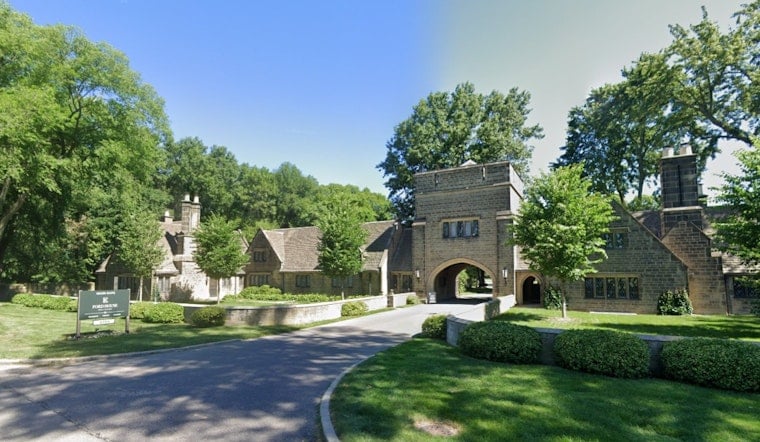
Today, the Edsel & Eleanor Ford House officially reopened nearly a mile of restored shoreline along Lake St. Clair, turning what had long been off-limits waterfront into public space. The rebuilt edge of the lake now features a universally accessible path and a constructed fish habitat inside Ford Cove, part of a multi-phase habitat restoration that pairs historic preservation with ecological repair. The project gives visitors fresh walking access along one of the last sizable stretches of natural shoreline on the U.S. side of the lake.
FOX 2 Detroit reported that the estate marked the reopening with a ribbon-cutting and a first walk down to the water’s edge. Coverage noted that the work is backed by federal grant funding and technical partners that are helping to rebuild nearshore habitat for fish and birds. Ford House leaders have framed the shoreline overhaul as both preservation and public access, inviting the wider region to use the renewed waterfront for education, recreation and a closer look at how restoration actually works.
Shoreline work in detail
Crews pulled out hardened concrete and replaced it with natural features that boost habitat complexity, including undercut "lunkers," downed logs and a dynamic cobble revetment. According to NOAA Fisheries, the plan will restore roughly one mile of shoreline and several acres of coastal marsh, nearshore habitat and forested wetland, while adding boardwalks and a future fishing pier. Project teams say these changes are designed to knock down wave energy, filter runoff and rebuild spawning and nursery areas for species such as bass, perch and pike.
Planting, wildlife and design
Phase 1 focused on the wetland boardwalk and the uplands right around it. Ford House reports that crews planted more than 15,000 native perennials and roughly 500 trees and shrubs while completing the ADA-accessible boardwalk. Project coverage reviewed by Informed Infrastructure and project documents indicate that later phases will bring far larger plantings, with tens or even hundreds of thousands of native plants and saplings planned through 2026 and 2027 to knit the shoreline back into functioning habitat. Designers are leaning on Jens Jensen’s original landscape vision, reintroducing native species and even propagating historic willow genetics in place.
Why this matters for Lake St. Clair
Most of Lake St. Clair’s U.S. shoreline is locked behind concrete and rock, a condition that NOAA Fisheries says has sharply reduced nearshore habitat and biodiversity. Restoring soft shorelines and wetlands helps rebuild nursery areas and the food webs that depend on them, and NOAA expects measurable ecological gains as plants and woody habitat take hold and create shelter for young fish and other species. Local conservationists say the Ford House site is unusual because it offers a long, continuous stretch of shoreline that is big enough to matter at the scale of the lake.
Visiting and what’s next
The wetland boardwalk is open to the public with grounds admission, and Ford House says Bird Island and other shoreline sections will reopen in stages as construction shifts toward pier work and final plantings in 2026 and 2027. Active work zones are still closed for safety, so visitors are urged to check the estate’s restoration updates before planning a shoreline walk. Project partners, including NOAA, Michigan EGLE, the Great Lakes Commission and the U.S. Fish and Wildlife Service, will monitor and maintain the restored areas as the habitats mature.
“Restoring it is part of our work to keep the estate accessible and educational, to help put focus on the importance of clean water and habitat,” Ford House said in a statement to FOX 2 Detroit. The estate cast Tuesday’s ribbon-cutting as an open invitation for the region to learn about coastal resilience and shoreline ecology up close. For now, the sections that have reopened offer a front-row seat to the restoration techniques that conservationists say can bring back the hidden life along the lake’s edge.





