

























































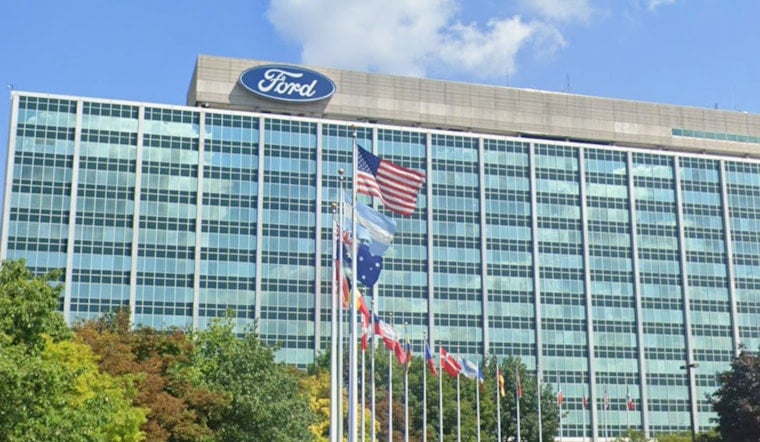
Ford is shaking up its Washington playbook, naming Matthew B. VanKuiken as its new chief government affairs officer in D.C. The veteran Capitol Hill operator will now run the automaker’s lobbying shop at a time when fights over electric vehicle incentives, trade rules and emissions standards are about to get even louder. VanKuiken will succeed Chris Smith as Ford’s top lobbyist in the nation’s capital.
According to The Detroit News, Ford announced the move and quoted VanKuiken saying, "I am thrilled to join Ford Motor Company at such a pivotal moment for the auto industry." The report said the company cast the hire as part of a broader push to sharpen its advocacy as federal policy on EVs, trade and emissions continues to evolve.
VanKuiken spent nearly 16 years working in the office of U.S. Sen. Debbie Stabenow, including an eight-year run as her chief of staff, according to LegiStorm. That long Capitol Hill tenure gives him deep relationships on the committees and subcommittees that oversee trade, energy and manufacturing policy, which is exactly where Ford needs friends right now.
He later moved to the private sector as director of U.S. government affairs at BlackRock, the world’s largest asset manager, which reported roughly $13.9 trillion in assets under management in Q1 2026. Investing.com noted the AUM figure. Per a Ford press release reported by The Detroit News, VanKuiken "helped advance legislation impacting the automotive industry," including work on USMCA negotiations, production tax credits under the Inflation Reduction Act and evolving emissions standards.
Who He Replaces
VanKuiken takes over from Chris Smith, who had been Ford’s chief government affairs officer since 2022 and earlier held senior posts at the U.S. Department of Energy. The Department of Energy’s profile documents Smith’s years in DOE fossil energy offices during the Obama administration, and public industry biographies record his move to Ford’s government affairs team in 2022. DOE and LegiStorm provide background on Smith’s government and industry roles.
Why It Matters
Ford’s Washington shop will be grinding through the fine print that decides where EVs and batteries get built, how production credits are administered and what standards regulators apply to tailpipe emissions. The EPA’s regulatory impact analysis for proposed vehicle standards explicitly models the effect of production tax credits and shows how incentives and rulemaking interact with manufacturers’ decisions. EPA analysis underscores why automakers want seasoned Hill and agency hands steering their D.C. strategies.
In that world, knowing who to call, and when, can matter almost as much as what is in the statute.
What To Watch
Expect VanKuiken’s early work to center on outreach to Senate staff and agency rulemakers as Treasury, EPA and the IRS move to implement tax and emissions rules that will shape vehicle economics for years to come. His long Hill résumé and recent private sector experience position him to translate dense regulatory detail into legislative and administrative strategy.
For Ford, the bet is simple: put a Stabenow alum in the driver’s seat and hope the next round of EV rules does not leave the automaker stuck in the slow lane.





